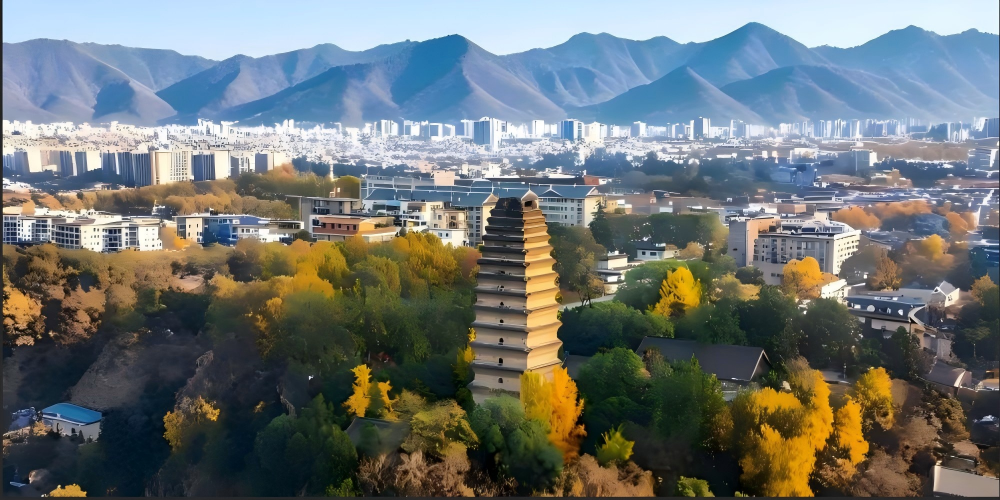
The Luoping Canola Flower Ocean attracts many travel and photography enthusiasts from China and abroad. Sites recommended for viewing and photographing the canola flowers include the Jinji (“golden rooster”) Peaks, Niujie Township, Wanzi Lake Reservoir, and Shiwanda Mountain. Every year during the flower season, Luoping County is submerged under a sea of canola flowers in riotous bloom. The Luoping Canola Flower Ocean is concentrated around the vicinity of Luoxiong Town, and is most conveniently reached by contract car.
归档: Attractions
-
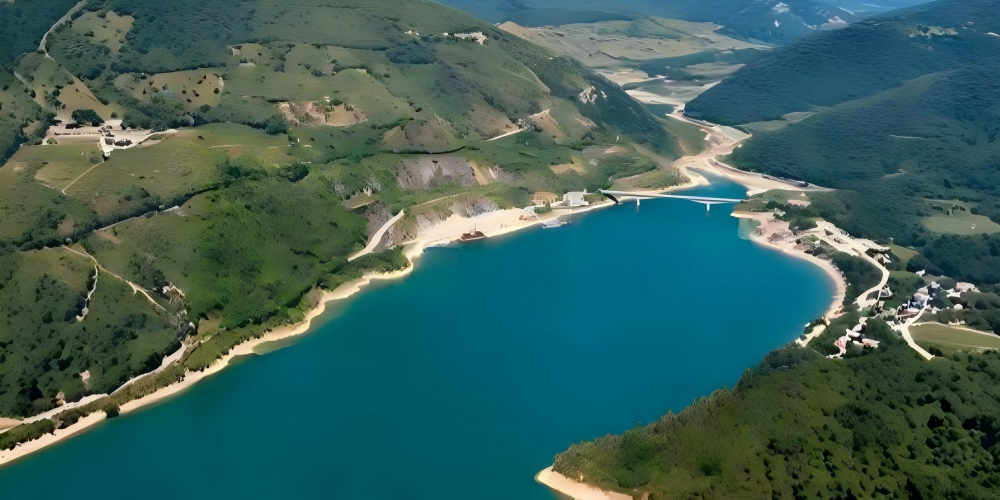
TIGER LEAPINGGORGE SCENIC AREA
TIGER LEAPINGGORGE SCENIC AREA is located in the northeastern part of Longpan Township, Yulong Naxi Autonomous County, Lijiang City, Yunnan Province. Situated at the heart of the national key scenic area, it forms the first majestic and precipitous canyon view along the upper reaches of the Jinsha River in the Yangtze River system. Renowned for its depth, danger, wonder, uniqueness, and beauty, it ranks among the world’s great canyons alongside Xizang’s Yarlung Tsangpo Grand Canyon and the Grand Canyon in the United States, earning accolades as one of China’s top ten canyons.The attraction is located 80 km from downtown Lijiang. The canyon stretches 17 km in length with a 25 km sightseeing route and a vertical elevation difference of over 3,900 meters. The 2.6 km sightseeing boardwalk within the TIGER LEAPINGGORGE SCENIC AREA is a major highlight. Towering on either side of the gorge are Yulong Snow Mountain and Haba Snow Mountain, with the narrowest point of the river spanning just over 30 meters. Massive boulders formed by geological movements create the spectacular “Tiger Leaping Rock,” making the rushing waters even more turbulent and majestic. The scenic area enjoys a mild climate with an average annual temperature ranging from 4.7°C to 16.5°C. The canyon features a typical temperate to cold-temperate vertical climate zone, resulting in rich biodiversity and abundant plant and animal resources—a living classroom of nature. Visitors can explore numerous unique attractions, including the robotic tiger installation, miniature landscapes, the Free Buddha, flower waterfalls, flowing water cascades, Yubi Jinchuan stone carvings, Tiger’s Mouth Boardwalk, Bamboo Forest Zen Boardwalk, Yuxin Bridge, Qingxin Bridge, Tiger Leaping Rock Viewing Platform, and tunnels. Here, visitors not only witness nature’s awe-inspiring craftsmanship up close but also enjoy immersive cultural experiences. With well-developed facilities and thoughtful services, the scenic area ensures every visitor can safely and comfortably appreciate the grandeur of this magnificent canyon.
-
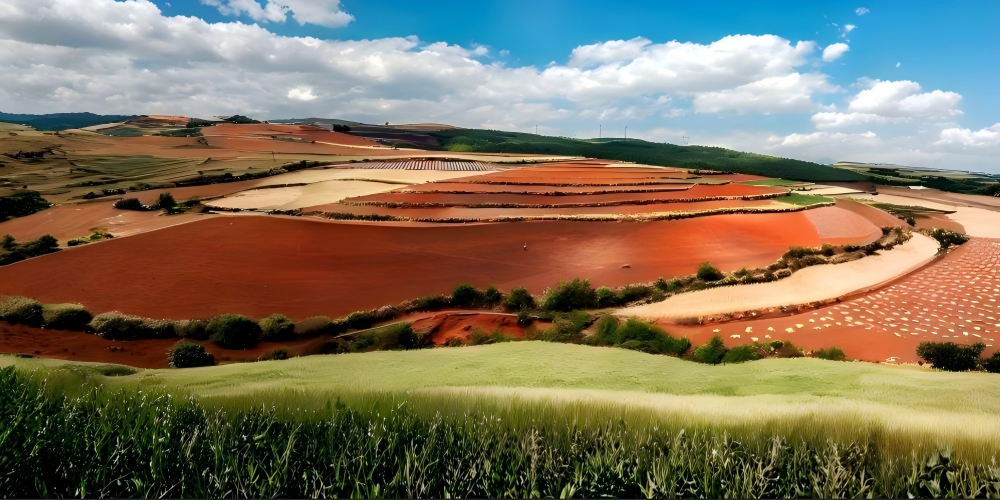
Dongchuan Red Land
Dongchuan Red Land is located in the northeastern part of Kunming. Because the soil is rich in iron and aluminum, the earth has oxidized to form a dazzling crimson color. From a distance, the blue sky, white clouds, green crops and red earth merge to create a spectacular landscape unparalleled throughout the world. The sites of interest throughout Red Land are dispersed. Starting from the fork in the road near Huashitou Village, visitors may choose to go to Redland Town, to Dongchuan District, or to the Kunming Sanlu Highway. These three routes connect the main scenic spots and form three main lines of exploration: the northwest line, the northeast line and the south line. In recent years, Red Land has become a paradise for photography lovers.
-
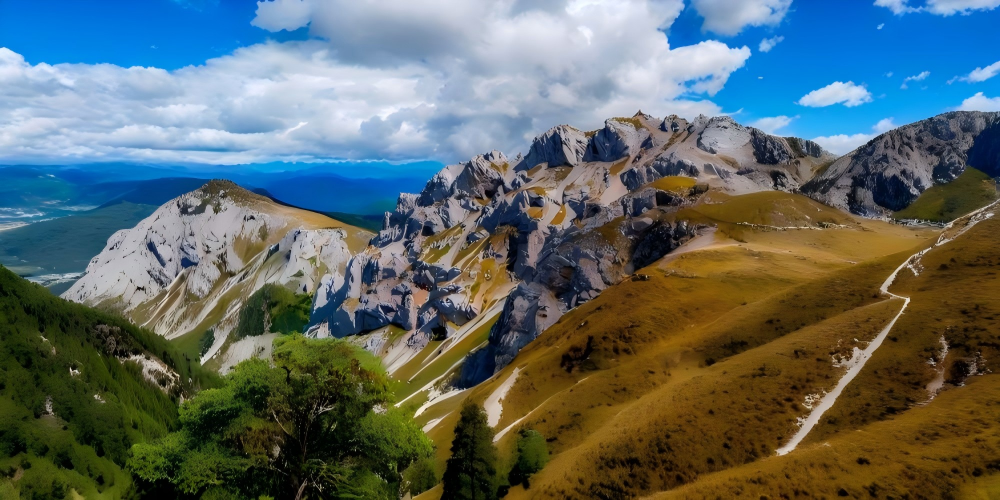
Shika Snow Mountain
“ShikaThe name originates from Tibetan, meaning “a place where red deer roam.” Red deer are among the most sacred mascots in Tibetan Buddhism, their divine significance self-evident. Located just 7 km from downtown Shangri-La, Shika Snow Mountain is a comprehensive travel attraction conveniently close to Shangri-La Airport and the high-speed rail station within Diqing Prefecture. The attraction covers an area of approximately 65 square kilometers, stretching from the Highland Barley Rack Scenic Boulevard to the main peak of Shika Snow Mountain. It encompasses natural landscapes including the Yanqingbo Pasture, Lingxi Lake, and ancient gold mine ruins, featuring snow-capped mountains, pastures, sacred lakes, forests, and meadows—a microcosm of Shangri-La. The highest point is the main peak of Shika Snow Mountain at 4,449 meters above sea level, while the lowest point is the Napahai Meadow at 3,270 meters, creating a dramatic elevation difference of 1,179 meters. This area nearly encompasses all the vertical ecological zones of subalpine and alpine regions found in the “Three Parallel Rivers” World Natural Heritage Site of northwest Yunnan. Shika Snow Mountain is not only a sacred mountain of the Jiantang Basin but also a renowned alpine pasture. Rich in both natural and cultural resources, it offers immersive experiences in mountain blessing rituals, pastoral and agricultural traditions, folk culture, as well as unique geological formations and biodiversity. Shika Snow Mountain – the First God of Wealth Mountain in the World From afar, Shika Snow Mountain resembles a giant golden toad, with another massive stone toad perched atop its summit. These two toads quietly crouch southwest of Jiantang Town, having absorbed the essence of heaven and earth while gathering wealth from all directions for millennia. Historically, Shika Snow Mountain has been revered as Shangri-La’s guardian mountain of prosperity. As early as 1,300 years ago, its peak served as a sacred altar where Tibetan kings performed rituals to worship celestial deities. During the Ming Dynasty, the Mu chieftains of Lijiang once mined gold here, creating a flourishing era—mining relics still remain on the mountain today. Thus, Shika Snow Mountain is also known as the World’s First Mountain of Wealth, where pilgrimage is believed to bring financial fortune and good luck. Shika Snow Mountain – the sacred snow peak where you can pay homage to the eight great divine mountains. The only snow mountain offering panoramic views of the eight sacred mountains. From the summit of Shika Snow Mountain, you can enjoy unobstructed panoramic views of the surrounding peaks, including the Three Sacred Snow Mountains of Daocheng to the east.Chenresig, Jampelyang, and Chanadorjeto the south you can see Haba Snow Mountain and Jade Dragon Snow Mountain, to the west lies Biluo Snow Mountain, and to the north overlooksMeili Snow Mountain, Baima Snow Mountain…Such a miraculous and spectacular sight, the extraordinary privilege of worshiping the eight sacred mountains at the summit, is unparalleled anywhere else in the world! The eight sacred mountains resemble eight pure white lotus petals encircling Shika Snow Mountain at their very center, earning it the reputation as the place where the eight-petaled lotus blooms in the sacred realm of Shangri-La. Yana Qingbo Pasture – Emerald in the Valley Nestled on the slopes of Shika Snow Mountain at an altitude of 3,746 meters, Yanqingbo Pasture resembles an emerald embedded in the forest. During spring and summer, the meadow blooms with flowers as cattle and sheep graze leisurely. Herders prepare butter tea nearby, while wisps of smoke rise from the wooden cabins, painting a picture of simple, unhurried life. Lingxi Lake – A Place to Pray for Love Lingxi Lake, known as “Mabeng Yangcuo” in Tibetan, covers an area of 30,000 square meters. Surrounded by dense national rare protected plants like long-bracted fir trees, the understory features shrubs like rhododendrons and swamp meadows, creating a serene and mysterious atmosphere. In summer, the lakeside meadows burst into colorful blooms, with the striking alpine ornamental medicinal plant Rheum alexandrae and rhododendron bushes standing out. The large yellow-white bracts of Rheum alexandrae grow in layers on their stems, resembling miniature golden lotus pagodas towering by the lake. Shika Snow Mountain andQianhu Mountain Scenic AreaConnected as one, the area is renowned for its numerous lakes. The Black Sea, Lingxi Lake, and Red Sea on Shika Snow Mountain are all located at elevations above 3,800m, representing classic glacial erosion lakes. It connects withThe formation lakes in Napa Lake Scenic Area and Potatso National Park are different., making it one of the distinctive views of Shika Snow Mountain. Vertical zonation landscapes and biodiversity The distinct vertical ecological zones showcase Shika Snow Mountain’s remarkable biodiversity. At 3,270–3,300m lies the subalpine meadow, where azaleas, buttercups, wolf’s bane, primroses, and irises bloom in vibrant competition during spring and summer, creating a dazzling “five-flower meadow.” Between 3,300–4,100m stretches the subalpine cold-temperate coniferous forest belt. From afar, the emerald-green Larix potaninii forests contrast strikingly with the dark-green Abies forests, while diverse shrubs and herbaceous plants thrive beneath the canopy. Above 4,100m, alpine shrub meadows and scree slopes host rare species like Meconopsis, Bergenia, Potentilla anserina, snow tea, golden alyssum, Primula pulchella, and Pedicularis.
-
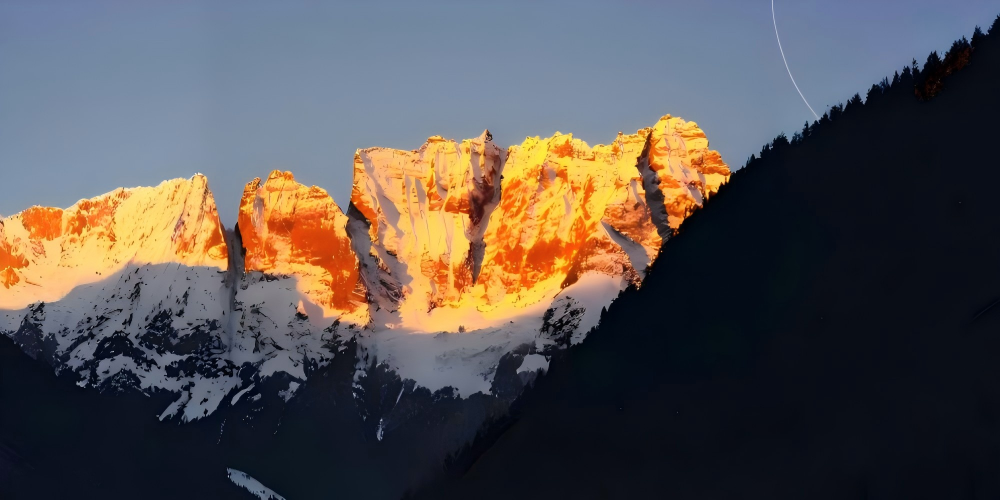
Meili Snow Mountain National Park
Mainri Snow Mountain is also known as the Prince Snow Mountain. Its main peak, Kawa Garbo, means “the steep white snowy peak in the valley.” According to legend, it is the protector God of the Nyingma Branch of Tibetan Buddhism. The famous “Sunshine Over the Golden Mountain” is a rare sight for many backpackers. It is also a favorite destination for outdoor enthusiasts and photography enthusiasts.
-
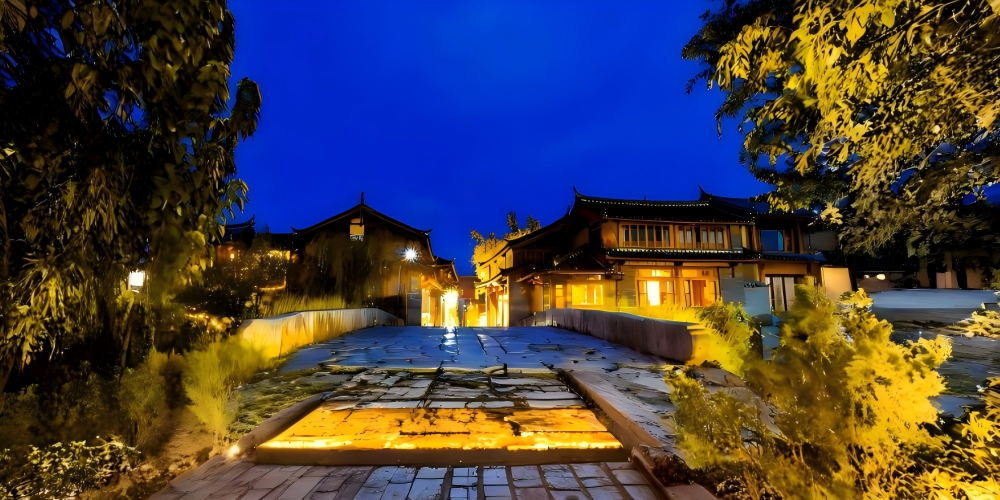
The Ancient Town of Shuhe
Shuhe Ancient Town is located in the ancient city of Lijiang, which is the northwestern part of Dayan Ancient City. It is an important station on the ancient tea-horse road. The structural layout of the ancient town is similar to that of the Dayan Ancient City. There are many ancient buildings, and there are clear small rivers between the roadways. The environment is very beautiful. Walking in the ancient town, you can still feel the prosperity of its past. The Tea Horse Road Museum has a wealth of historical information to impart and is well worth seeing.
-
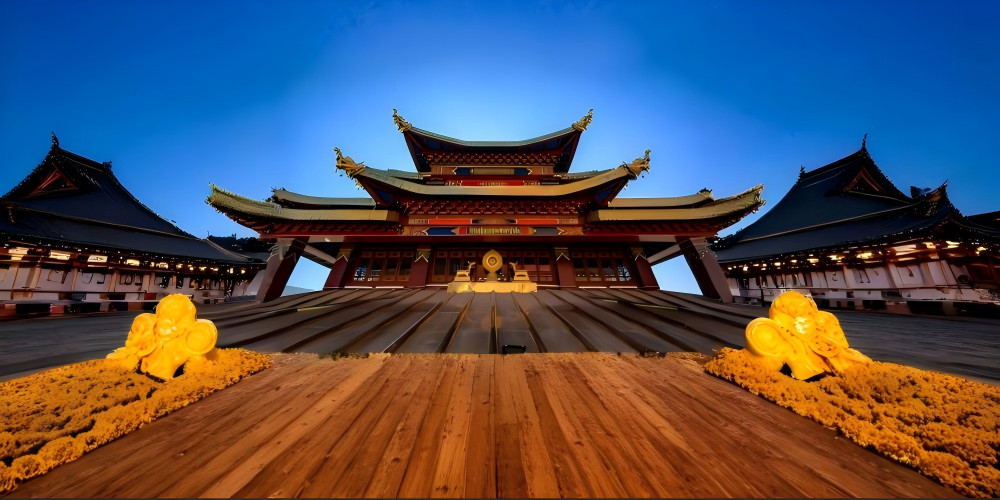
Dukezong Ancient Town
Dukezong Ancient Town is Located on the southeast corner of Shangri-La County in Yunnan province, Dukezong Ancient Town is an ancient Tibetan town with a history of more than 1,300 years. Diqing Tibetan Autonomous Prefecture and was built for the Tubo Kingdom of the Tang Dynasty. “Dukezong” is a Tibetan pronunciation, meaning “Moonlight City” and “castle built on stone”. Dukezong Ancient Town is built on the mountain foot and the road surface was paved with slate from the ceaseless up-and-down undulations of paved roads, you can still find the faint imprints of horseshoes , which is the token left by the long-time horses and precious token from the ancient caravans since the town is the last stop of Old Tea – Horse Road.
-
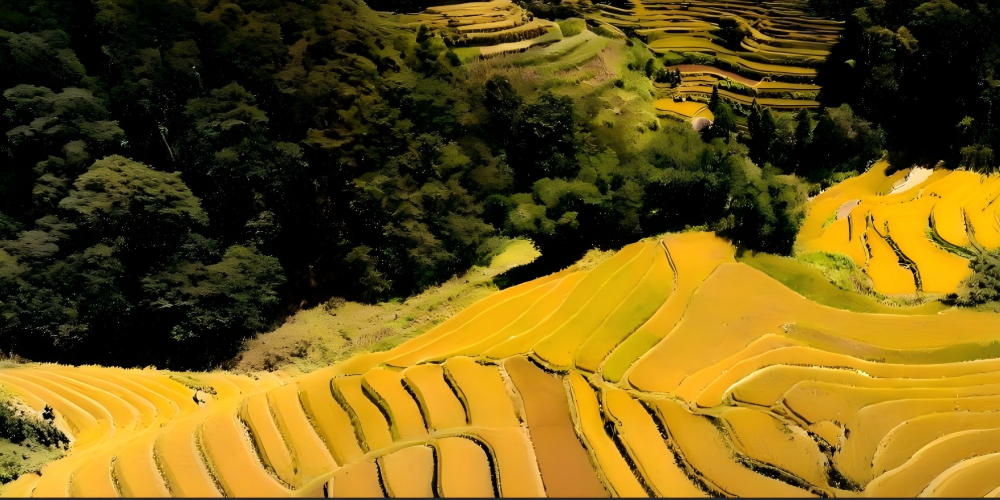
Yuanyang Hani Terrace
The Honghe Hani Rice Terraces are located on the southern slopes of the Ailao Mountains in Yunnan province. They were constructed over generations by the local Hani people. There are four major scenic spots in the area: Bada, Tiger Mouth, Duoyishu, and Jingkou Village. The rice terraces look particularly beautiful at sunrise and sunset. The frequent early morning mist that envelops the terraces creates a surreal landscape. Visitors can also learn about the Hani people’s unique culture.
-
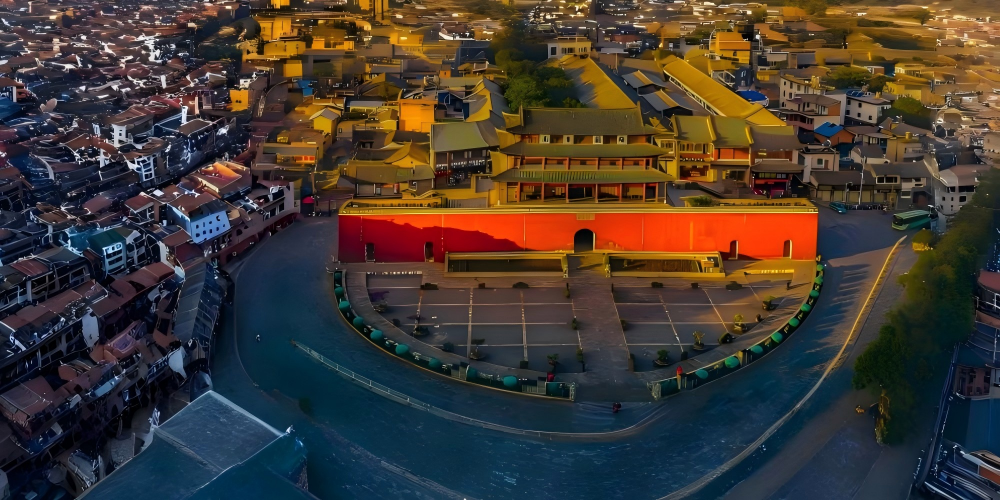
Jianshui Ancient City
The ancient city of Jianshui, known as Lin’an historically, is a famous city with a profound historical and cultural background. It is located in Jianshui County in Honghe Prefecture. The ancient city of Jianshui is listed as a National Historical and Cultural City. It has been in existence for twelve centuries. The ancient buildings in the city are beautiful and well preserved. The Temple of Literature, Zhu’s Garden and the School of Examinations in the ancient city all reflect Confucius’s ethos of the ancient city of Jianshui. More than fifty ancient buildings have been preserved to date, which won Jianshui the moniker the “Ancient Architecture Museum” and the “House Museum.”
-
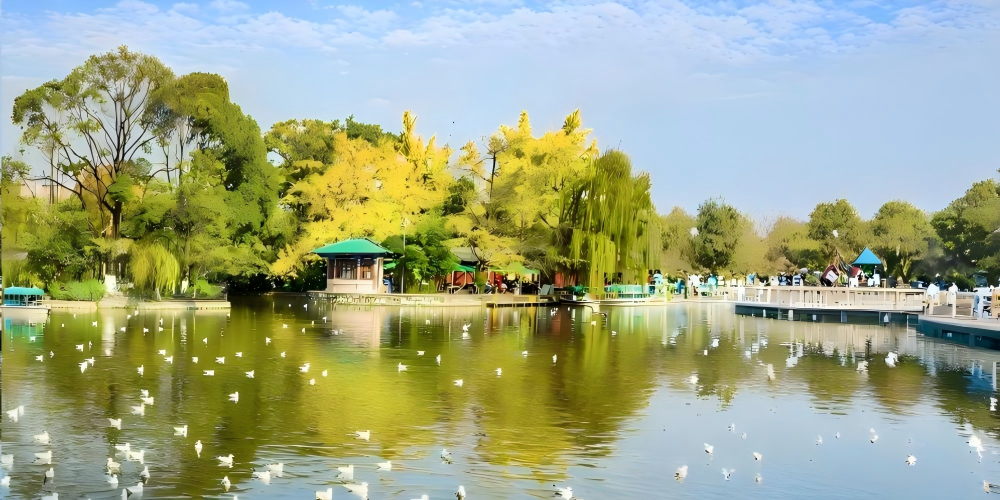
The Green Lake Park
Located in northern Kunming, opposite Yunnan University, Green Lake Park is a beautiful urban park and a popular destination for tourists. Its emerald waters, elegant trees, and lotus ponds offer a delightful winter getaway, perfect for feeding and photographing the thousands of red-billed gulls. Centered around Green Lake, the park is divided into five scenic areas by Ruan Causeway, which runs north-south, and Tang Causeway, which runs east-west. The Lake’s Heart Island scenic area features Qing Dynasty buildings such as the Lake Heart Pavilion and the Fish Viewing Tower. The Lake Heart Pavilion, also known as the “Biyi Pavilion,” boasts elegant yellow-tiled eaves and beautifully designed courtyards, serving as the venue for various exhibitions. To the southeast lie the Water Moon Pavilion and Goldfish Island; to the northeast lie the Bamboo Forest Island, Nine Dragon Pond, and the Zhichun Pavilion, where people gather during festivals to sing folk songs, creating a unique atmosphere. Willow trees rustle along the embankment, the fragrance of lotus flowers wafts through the lake, and pavilions and towers on the island add to the beauty and freshness of Green Lake. Autumn is a perfect time for viewing autumn leaves. Starting in late October, the maple trees in Cuihu Park gradually turn red, transforming from golden yellow to deep crimson overnight. The layered red maple forests blend beautifully with the lake, creating a breathtaking autumn landscape. Every year at the beginning of winter, thousands of red-billed gulls arrive from the north to spend the winter. This vibrant time brings Cuihu Park to its peak, with residents and tourists flocking to feed the birds and interact with them. This harmonious atmosphere adds endless joy to the park. After exploring Cuihu Lake, the four streets surrounding the park (Cuihu East Road, Cuihu South Road, Cuihu West Road, and Cuihu North Road) are lined with unique shops, cafes, and bars. You can spend a leisurely afternoon strolling around the lake, or immerse yourself in the vibrant nightlife as night falls. Cuihu Park is also close to the former site of the Yunnan Military Academy and Yunnan University, making them worth exploring.