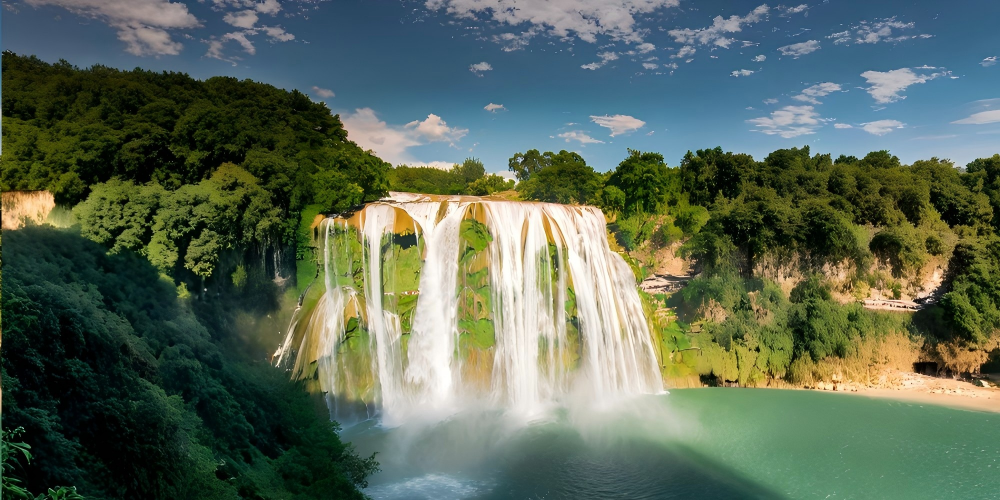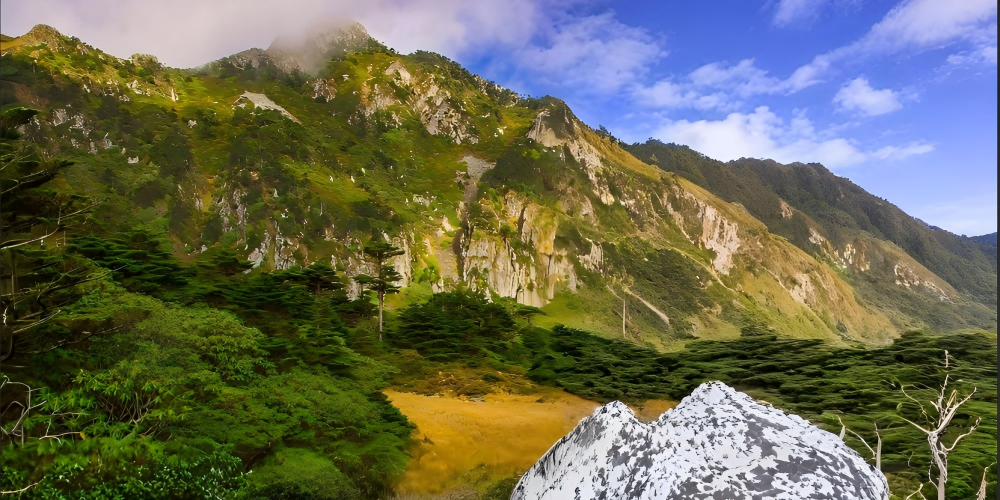
Cangshan Mountain, also called Diancangshan Mountain, is located on the west side of the Erhai Lake in Dali. It’s scenery is spectacular and it is one of the four scenic spots of Dali. The main peak of the mountain is snowy all year round and the mountain is often shrouded in clouds. You can take the cablecar up the mountain or walk up the mountain. After ascending the Cangshan Mountain, you can overlook the beautiful Erhai Lake and Dali Ancient City.
归档: Attractions
-
Potatso National Park
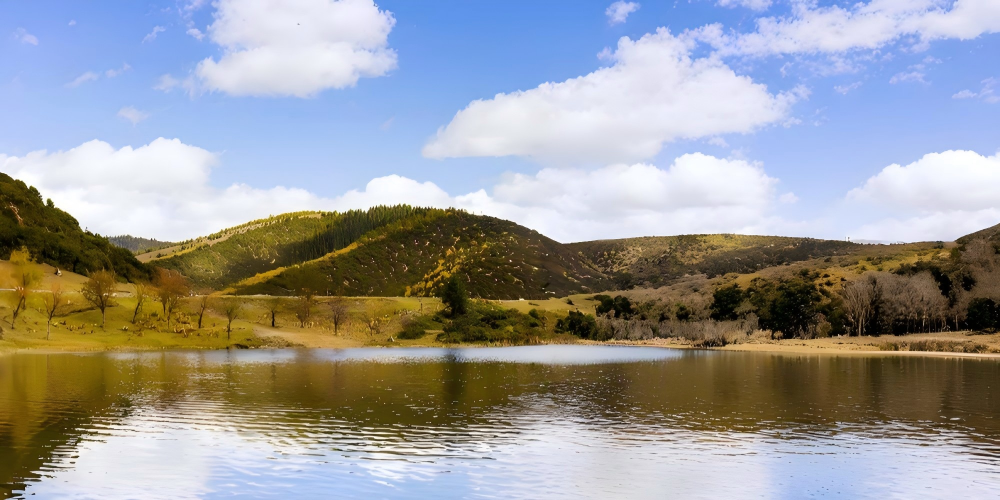
Located in the center of the Shangri-La Scenic Area, Pudacuo National Park is an important part of the world’s natural heritage, called the Three Rivers Convergence. It consists of three parts, namely Bitahai, Shuduhu, and the Xiagei Folk Culture Village. The park has beautiful scenery, a well-preserved ecological environment, quiet and clear mountain lakes, vast pastures, wetlands filled with flowers and lush virgin forests. Every spring, the park is filled with blooming rhododendrons, while the Autumn brings with it the rich colors of changing leaves.
-
Lugu Lake Scenic Area
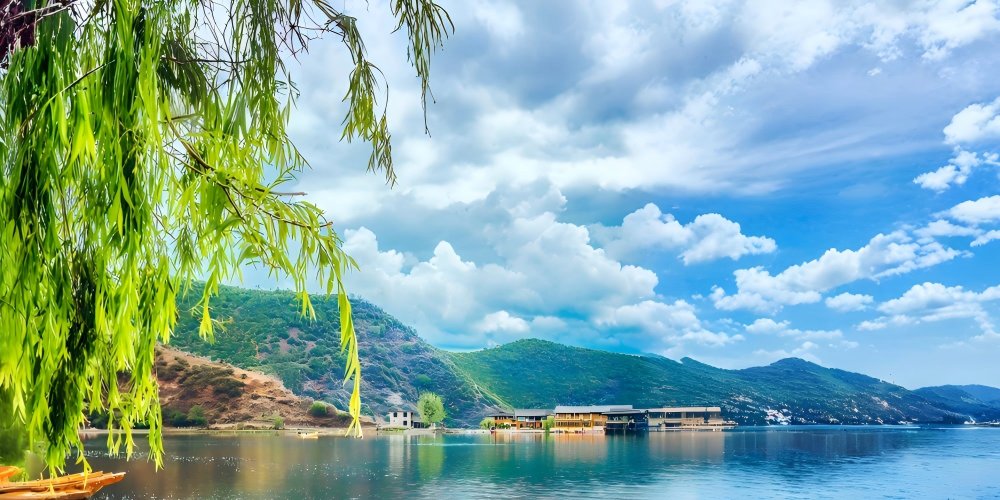
Lugu Lake Scenic Area is located on the border between Yunnan and Sichuan, at an elevation of approximately 2,685m. Known as the “Pearl of the Plateau,” it boasts enchanting scenery and pristine local customs.Highlights OverviewLugu Lake Scenic Area is surrounded by green mountains, with a winding and graceful shoreline. Along the lake, there are 17 beaches and 14 bays. Scattered across the lake are 5 islands, 3 peninsulas, and 1 causeway-connected island. Among them,Liwubi Island, Xiwae Island, and Lige Island are collectively known as the “Three Fairy Islands” of Lugu Lake Scenic Area.From June to August each year, the lake is adorned with blooming water snowflakes. These pristine white flowers, scattered like stars across the water’s surface, sway delicately with every breeze, creating an enchanting scene reminiscent of a fairyland on earth.There are many villages along the lake, with the more developed ones offering food and accommodation being mainlyDaluoshui VillageHeli Village.Daluoshui VillageLocated on the southwest shore of Lugu Lake Scenic Area, it is one of the earliest developed villages by the lake, where the round-trip shuttle buses from Lijiang stop. Lige Island and Lige Village on the northwest shore have become popular tourist hubs in recent years. On the northern shore lie Nise Village, Xiaoluoshui, and Dazui Village, which are quieter with fewer visitors. Further east enters Sichuan Province, where the Grass Sea and the Princess’s Former Residence on the southeastern shore are also worth a visit.
-
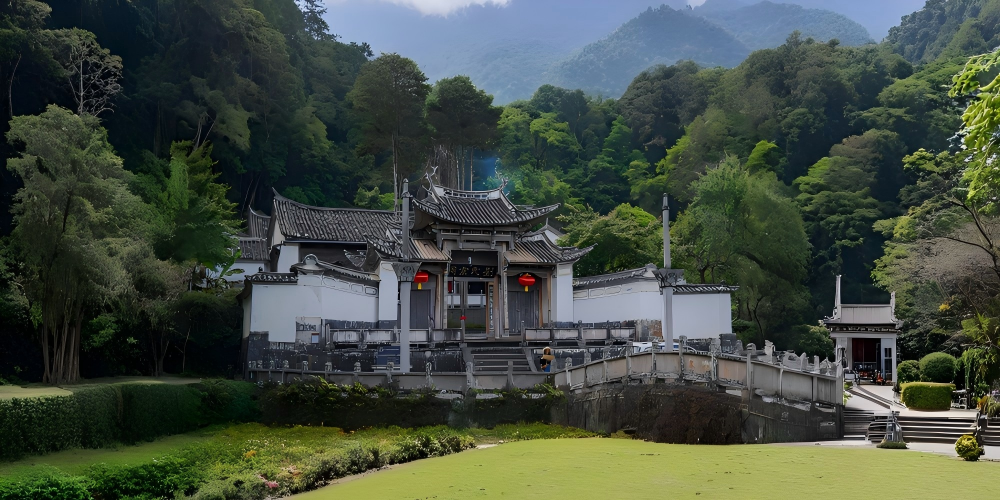
Heshun Ancient Town
Heshun ancient town is located 4 km west of Tengchong county. Built in the Ming dynasty, it was originally named “Heshun” due to a small river winding around the village. Later, literati renamed it “Heshun” meaning “harmony and prosperity”. As a famous hometown of overseas Chinese in Yunnan province, Heshun ancient town was a key stop on the ancient tea-horse road and an essential part of the southwest silk route. Heshun ancient town is built around the mountains, gradually rising from east to west, stretching for two to three kilometers. The town is dotted with ancestral halls, archways, and ancient residences from the Ming and Qing dynasties. In front of the town lies a vast plain, with clear streams winding around the village and weeping willows brushing the banks, creating a harmonious pastoral scenery. The main attractions in the town include: the Dian-Myanmar anti-Japanese war museum, Heshun ancient town – Zhongtian temple, Wanlouzi, Liu’s ancestral hall, and Ai Siqi memorial hall.Wenchang palaceHeshun library Wandering through the winding alleys of the ancient town, you can explore its old houses, historic streets, and ancestral halls. The Wanlouzi folk house museum will open your eyes to unconventional architecture – no wonder the popular TV series “Beijing love story” chose this location for filming. The Cunshi ancestral hall and the former residence of the jade king will leave you marveling at the exquisite craftsmanship of the town’s buildings. When tired, rest at the teahouse in the Liushi ancestral hall and savor tea brewed with local Longtan water and chestnut charcoal fire – a truly memorable flavor. At the Heshun library, you can witness artisans making traditional Xuan paper, one of Tengchong’s three treasures (Tengchong paper, Tengchong medicine, and Tengchong bamboo weaving). Feel free to purchase some as souvenirs if interested. When you’re tired from walking and hungry, the various snacks in the ancient town will not only satisfy your appetite but also let you savor the long and eventful history. Cun’s bean powder and Aunt Lin’s pine flower cakes carry the flavors of time. Or simply sit down at any restaurant and order local specialties like “three drops of water,” “brain,” or “earthen pot.” Just the food alone will make your trip worthwhile. Heshun Ancient Town covers a large area with numerous attractions, making it impossible to explore fully in just one day. Consider staying overnight in the town to not only have ample time for sightseeing but also to experience the charm of guesthouses converted from ancient residences. The town boasts many such inns, mostly renovated from traditional homes, some featuring spacious two or even three-courtyard layouts at affordable prices. Find a guesthouse you like, sleep in until you wake naturally, then leisurely stroll to the snack stalls at the town entrance for a bowl of the famous local dish “dajiujia.” Afterwards, bask in the sun at the riverside laundry pavilion and savor Heshun’s relaxed pace of life like a local.
-
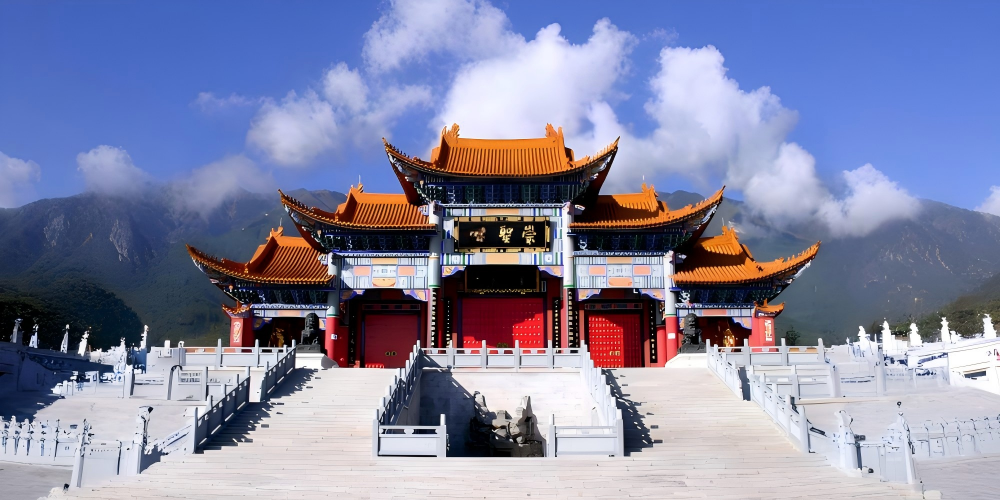
The Chongsheng Temple And The Three-Pagoda Culture Tourist Area
The Chongsheng Temple and the Three-Pagoda Culture Tourist Area is located 1.5 km north of Dali Ancient Town, serving as the royal temple during the Dali Kingdom period. Nestled between Erhai Lake to the east and Cangshan Mountain’s Yinglue Peak to the west, it boasts breathtaking scenery. The three pagodas were originally part of Chongsheng Temple. While the current temple is a reconstruction, the pagodas remain as thousand-year-old relics and the area’s main attraction. Visitor route: Upon entering through the main gate, you’ll immediately see the three pagodas standing along the central axis on a raised platform. The central Qianxun Pagoda, flanked by two smaller pagodas to the north and south, forms an impressive triangular layout. Their architecture resembles Xi’an’s Small Wild Goose Pagoda. The best photo spot is at the Reflection Pool in Three Pagodas Reflection Park behind them, where visitors capture perfect shots of the pagodas with their mirror images. Beyond the pagodas, follow the central axis to explore cultural relics excavated during restoration at the exhibition hall, see the 16-ton Nanzhao Bell in the Bell Tower, and admire the Rain-Copper Guanyin statue before reaching Chongsheng Temple. Reconstructed in 2005, this grand temple recaptures the imperial splendor of the Nanzhao and Dali periods, featuring over 10,000 dragon carvings – the most in any Chinese temple. Don’t miss the massive 3.1m-diameter drum made from a single oxhide, another remarkable highlight.
-
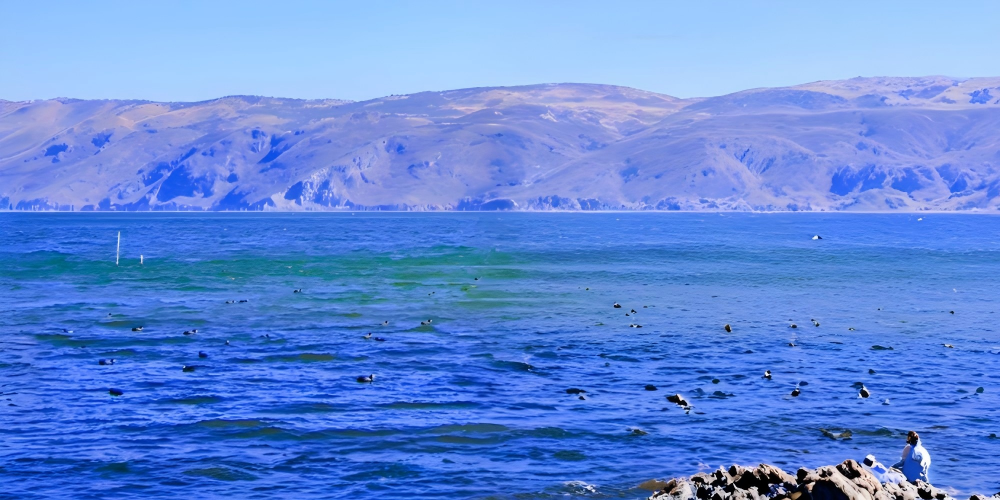
Erhai Lake
Erhai Lake, known as Yunnan’s “Pearl of the Plateau,” is the heart and soul of Dali. Despite being called a “sea,” it’s actually a magnificent freshwater lake shaped like a crescent moon resting at the foot of Cangshan Mountain, where the breathtaking harmony of water and mountains creates an utterly mesmerizing landscape.Erhai Lake is located in Dali City, situated in the watershed area of three major river systems: the Lancang, Jinsha, and Yuan rivers. With a surface area of approx. 252 sq km, it measures 42.5 km in length from north to south and averages 6.3 km in width from east to west, featuring a shoreline of 128 km. It ranks as Yunnan’s second largest freshwater lake after Dianchi. The lake earned its poetic name “Erhai” (meaning “Ear-shaped Sea”) from ancient people due to its ear-like shape and its vast, sea-like expanse of misty waters.Erhai Lake boasts not only breathtaking natural scenery but also profound Bai ethnic culture and historical significance. Revered since ancient times as the “Silver Cangshan and Jade Erhai,” it’s home to the famed “Moon over Erhai” among Dali’s “Wind, Flower, Snow, and Moon” quartet of attractions. The lake is dotted with scenic spots like Golden Shuttle Island, Little Putuo Island, and Nanzhao Folklore Island. Golden Shuttle Island stands out as Erhai’s only inhabited primitive island, preserving intact Bai fishing village architecture and Benzhu worship traditions, with its annual Torch Festival’s pine resin powder ritual leaving visitors awestruck. Folk celebrations like the “Sea Play Festival” originate from legends such as Lady Baijie’s martyrdom and Duan Chicheng’s serpent-slaying, embodying the shared values of loyalty and guardianship among multiple ethnic groups.Today, cycling around Erhai Lake, strolling along the ecological corridor, enjoying Bai ethnic songs and dances on a cruise, and savoring the Three-Course Tea have become classic ways for travelers to immerse themselves in the breathtaking scenery of Cangshan Mountain and Erhai Lake. Whether it’s the serene sunrise at Longkan Pier in the early morning, the viral waterside grove at Panxi S Bend, or the lakeside cafes in Shuanglang Ancient Town, Erhai Lake always offers a poetic retreat for every visitor.
-
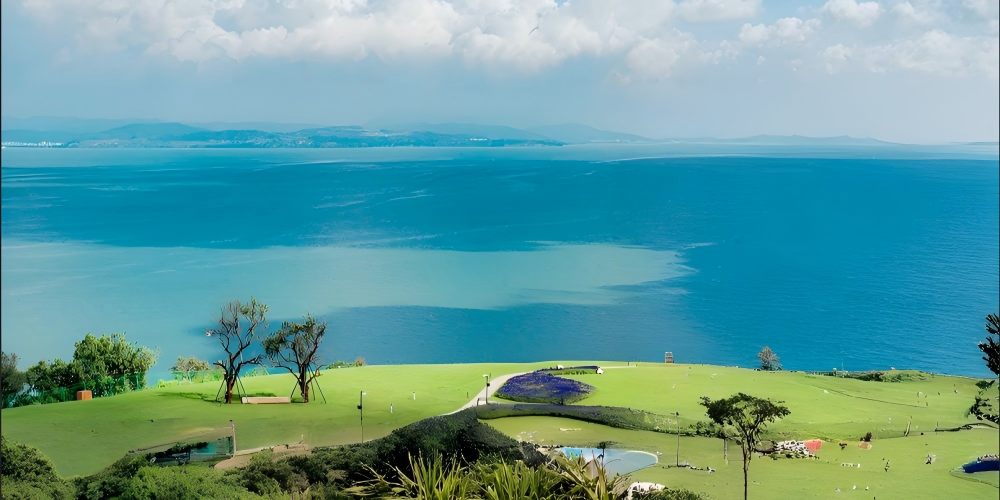
Lake Cuona
Cuona Lake is the source of the Nujiang River. The rivers and streams in the southern part of the Cuona Lake in the Tanggula Mountains all flow into the Cuona Lake and flow into the Nujiang River. Cuona Lake is 4,800 meters above sea level and covers an area of about 300 square kilometers. It is a freshwater lake. Cuona Lake is a pearl on the Qinghai-Tibet Railway. Like Nam Co, it is a lake that believers often come to worship. Legend has it that it was once the bathing place of the Queen Mother of the West. In the minds of the local Tibetan people, Cuona Lake is a “sacred lake”. Every year in the Tibetan Year of the Dragon, thousands of believers will flock to Cuona Lake to worship. It is located in the heart of the Qiangtang Nature Reserve and is the habitat of rare wild animals on the Qinghai-Tibet Plateau.
-
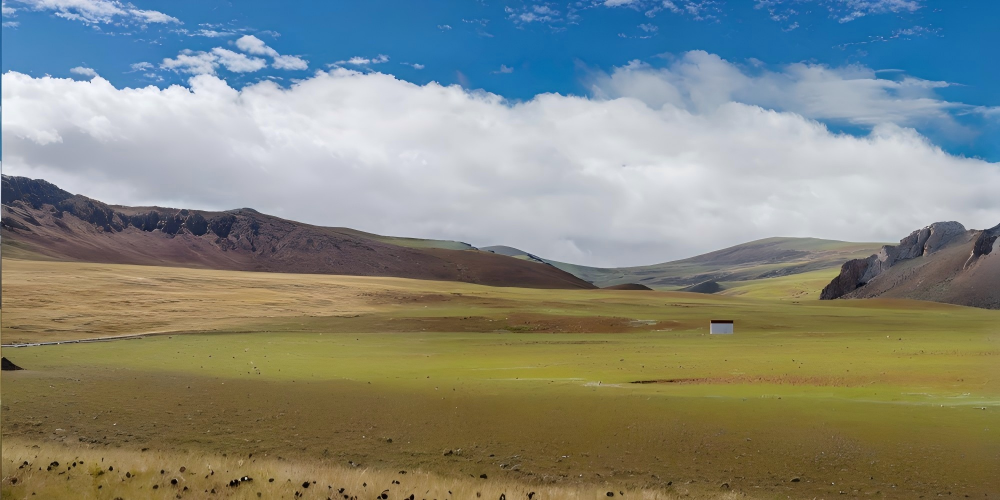
Ali Shenshan Shenghu Tourist Area
Sacred Mountain and Holy Lake The sacred mountains and lakes are located in the heartland of the Gangdise cultural sphere, the birthplace of the ancient and enduring indigenous religion of Xizang, Bon. To this day, the sacred mountains and lakes region remains jointly revered by Bon, Tibetan Buddhism, Hinduism, and Jainism.”The “Center of the World.” Every year, countless devoted pilgrims from all directions still make arduous journeys to this sacred site. The unique natural landscape where towering holy mountains mirror sacred lakes on the Tibetan Plateau, combined with its legacy as a cradle of ancient civilizations and spiritual pilgrimage destination, elevates this sacred mountain-lake region to unparalleled heights—both physically and spiritually.The majestic sacred mountain, Mount Kailash, is hailed as the pantheon of deities;The sacred Lake Manasarovar, with its purifying eight-virtue waters, can cleanse all sins. Here, the mighty forces of nature and spiritual faith unite to create a pinnacle of devotion.IfAri is known as the roof of the world’s roof,The Sacred Mountains and Holy Lakes are the crown jewels of Ngari. Here, the Himalayas and Gangdise Mountains reflect each other’s grandeur, four mighty rivers originate from the beautiful holy lakes, and vast grasslands dotted with cloud-like herds stretch endlessly. Drive along the shores of these majestic lakes and the foothills of sacred peaks on the Xinjiang-Tibet Highway—the world’s highest-altitude road—through this paradise for outdoor enthusiasts.
-
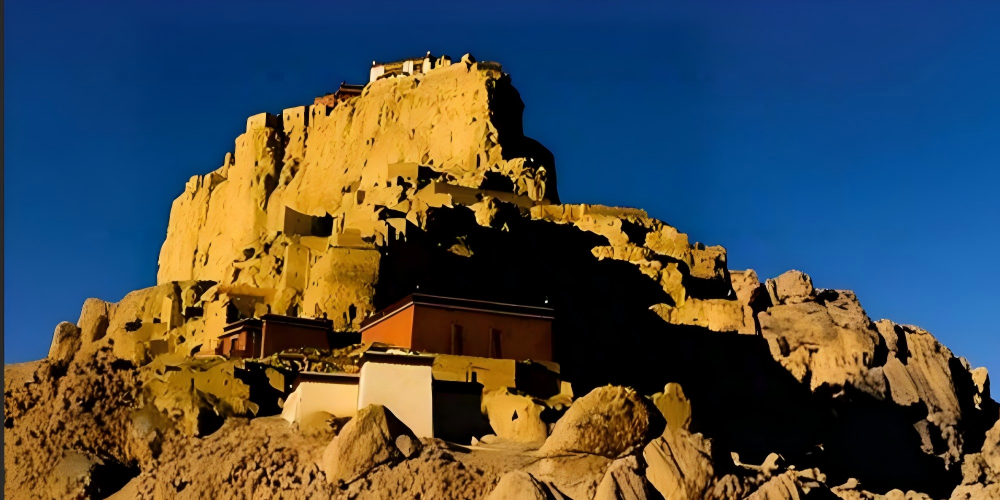
Guge Kingdom Ruins – Red Palace
The Red Hall, located in the Ngari region, is one of the important historical sites of the Guge Dynasty. The Guge Dynasty was once a prosperous kingdom in history. Its ruins are located in the earth forest landform by the Xiangquan River, showing the splendid local civilization. The Red Hall is an important building in the ruins, famous for its unique architectural style and exquisite murals. The murals in the hall preserve rich religious and historical content, depicting religious ceremonies, life scenes and mythological stories during the Guge Dynasty. These murals are not only artistic treasures, but also important materials for studying the ancient local religious culture and social life. The architectural structure of the Red Temple embodies the characteristics of ancient Tibetan architecture, using local building materials and craftsmanship, and demonstrating the wisdom and skills of ancient craftsmen. Visitors can feel the strong historical atmosphere and religious mystery when visiting the Red Temple.