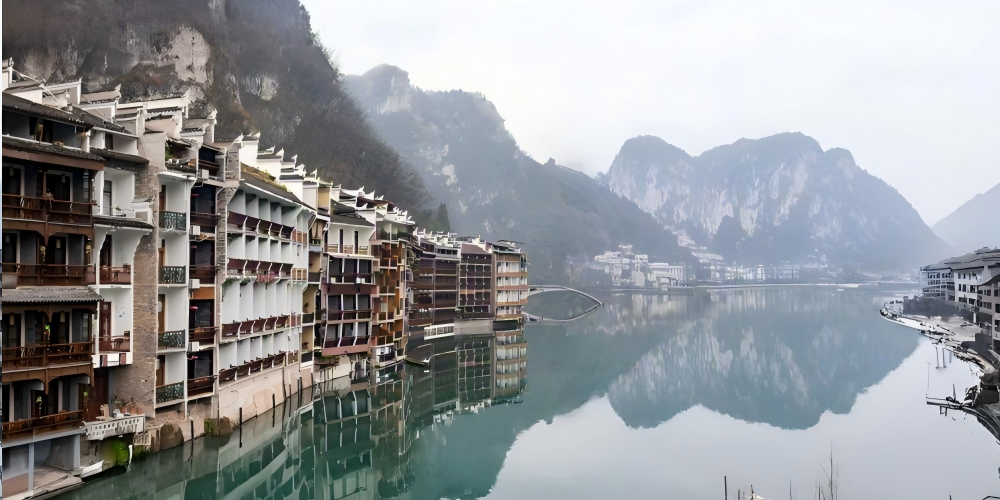
Zhenyuan Ancient Town is located in Yuan County, southeast of Zhendong on the bank of Wuyang River. The river winds through the city, forming a pattern similar to the famous yin-yang symbol, so the town is sometimes called Bagua Ancient Town. It also resembles Venice, Italy, with its modes of water transportation. Zhenyuan Ancient Town is divided into two halves by the Wuyang River. The South bank contains the old acropolis, while the North bank holds the ancient city that was built during the Ming Dynasty. The city contains ancient walls and gates, and a number of ancient buildings sitting atop the hills.
归档: Attractions
-
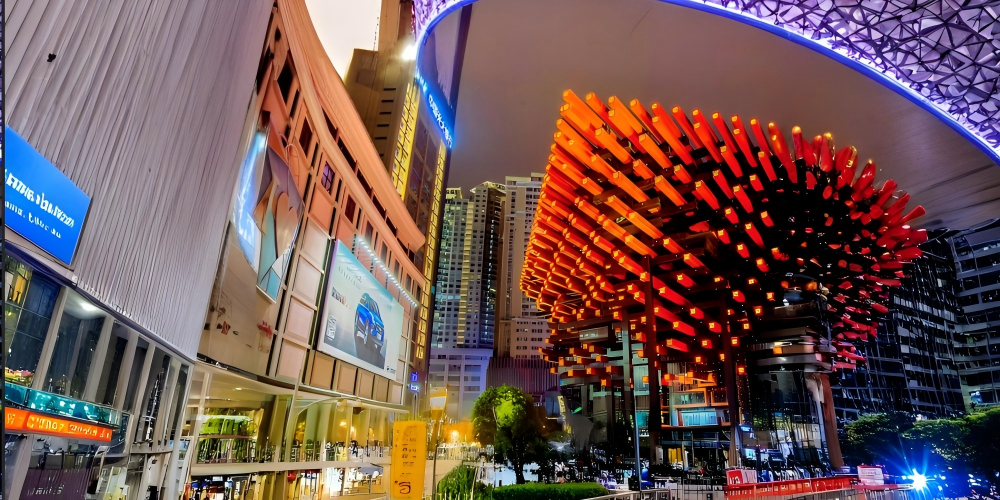
Chongqing Guotai Art Center
The Guotai Art Center consists of the Guotai Grand Theater and the Chongqing Art Museum. It was officially named the Guotai Art Center in September 2006. Its basic function is to “rely on the commercial center, face the cultural market, and serve the needs of the public.” The Guotai Art Center, combined with the commercial and cultural squares, will reorganize the new order of the overall image of the Yuzhong Peninsula city and is an important place to promote international cultural exchanges. The Guotai Art Center adopts the traditional Chinese national style, reflecting the rich Bayu culture, and some elements of the old theater will be retained. The main body of the building of the art center is red, like a burning “bonfire” and also like a ship setting sail.The Cathay Theatre is mainly composed of a medium-sized theatre with 800 seats. It is a comprehensive theatre that mainly performs musicals and dances, and also takes into account traditional dramas and other genres. It also includes two small theatres with 350 seats, one of which is also a concert Concert Hall and is considered for choral performances, mainly natural life. The other small theatre is also a multi-functional hall and has the conditions for media art exhibitions and art reports, mainly electro-acoustic.Chongqing Art Museum is positioned to exhibit mainly traditional Chinese paintings, oil paintings, prints and small sculptures, while also taking into account the display of photography art, decorative art, performance art and handicrafts. It is also able to undertake exhibitions of domestic and foreign arts and crafts and host various cultural and artistic exchange activities.The total area is 8,200 square meters. In the middle of the exhibition hall, a red steel staircase is connected to the exhibition hall on the 6th floor. Climbing up the staircase and looking down at the turning point, the three-dimensional and vast space effect makes people feel like they have entered the “Castle in the Sky”. If paintings are placed on it, it will feel even more impressive. The sense of space of the art museum is a highlight.In addition to large-scale exhibitions, the museum’s 25 glass houses can also host individual exhibitions for artists. On site, each glass house has an area of nearly 100 square meters and a floor-to-ceiling window of nearly 20 square meters. It is planned to install projection equipment inside to promote the city’s image on the glass windows.
-
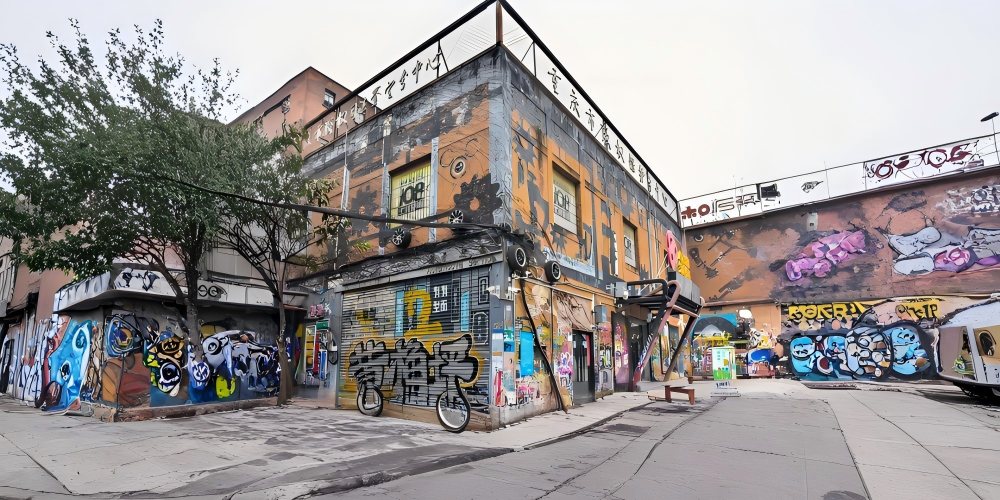
Graffiti Street
Huangjueping Graffiti Street is located in Huangjueping district, Jiulongpo District, Chongqing. It starts from Huangjueping Railway Hospital and ends at 501 Art Gallery, with a total length of 1.25 kilometers and a total area of about 50,000 square meters. It is the largest in China and even in the world today. Group of doodle art works. More than 800 workers, students and artists participated in the entire graffiti project, costing 12,500 kilograms of various paints and nearly 30,000 brushes and oil brushes. After 150 days of meticulous production, a total of 37 graffiti buildings, 1.25 kilometers of roads were renovated and widened, about 9,000 meters of various pipelines were underground, 2,700 square meters of buildings were demolished and rebuilt, and 20 sculptures were installed. The appearance of the entire block has changed significantly. The completion of Huangjueping Graffiti Art Street has completely changed the dilapidated urban appearance of Huangjueping in Chongqing, and created a good environment for the development of cultural and creative industries, mainly the Sichuan Academy of Fine Arts.
-
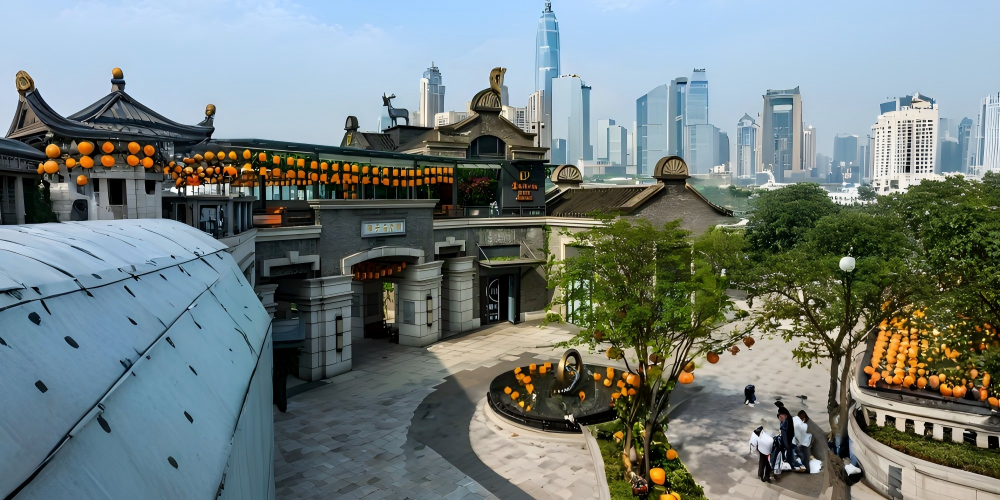
Landmark Riverside Danzishi Old Street
It officially opened on June 1, 2018. It used to be a well-known water and land port in the southwest region, and has the cultural roots of port opening such as the French Navy Barracks and the Royal Courtyard. Legend has it that Dayu and Tu Shannv became married couples. During Dayu’s flood control period, Tu Shannv looked at her husband’s fossils, and Jiang Shi gave birth to her son Xia Qi. The world called this place “Birthstone Stone”, and later it was called Danzi Stone. Later, the Wang family, a famous family in Chongqing, established the “Wanmao Zhengyan Hotel” here. Businesses gathered here, and a prosperous market formed around the Wang family compound, so it was named Danzishi Old Street. Danzishi Old Street is an important passage connecting Chaotianmen Wharf. Bin Road, along No. 1 Danzheng Street, up the steps until Danzishi Turntable Street, the main street is nearly 1,000 meters long, with a height difference of nearly 80 meters. Today, “one street, two ports, four courtyards and ten scenes” make the original juice The original old street scene is revived. Two Ports—Xiajiang (Customs Stone, Yingyue Pool) Shangbu (Qingyun Bridge, Lichuanhao, Huachaomen, Yuyin Pavilion, Tushan Kiln, Yide Hall, Love Wall, Baisuifang) four Courtyard—Wang Family Courtyard, Xia Family Courtyard, Sun Family Garden, Qingyang Palace Pavilion
-
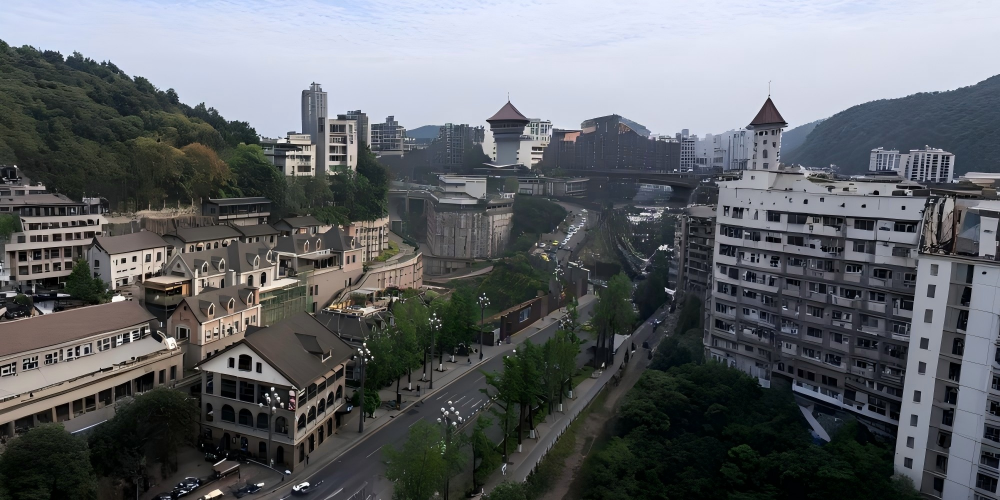
Longmenhao Old Street
Longmenhao Old Street—Longmenhao Historical and Cultural Street has a total land area of 540 mu and a total construction scale of 180,000 square meters. It is a relatively well-preserved and large-scale historical and cultural old street in the main urban area of Chongqing. Including Zaoziwan, Mishi Street, Xiahao, Zhoujiawan, Juelin Temple, Dongjiaqiao, Grape Courtyard, Wangerlou, Ma’anshan, Jianyegang and other notable locations.
-
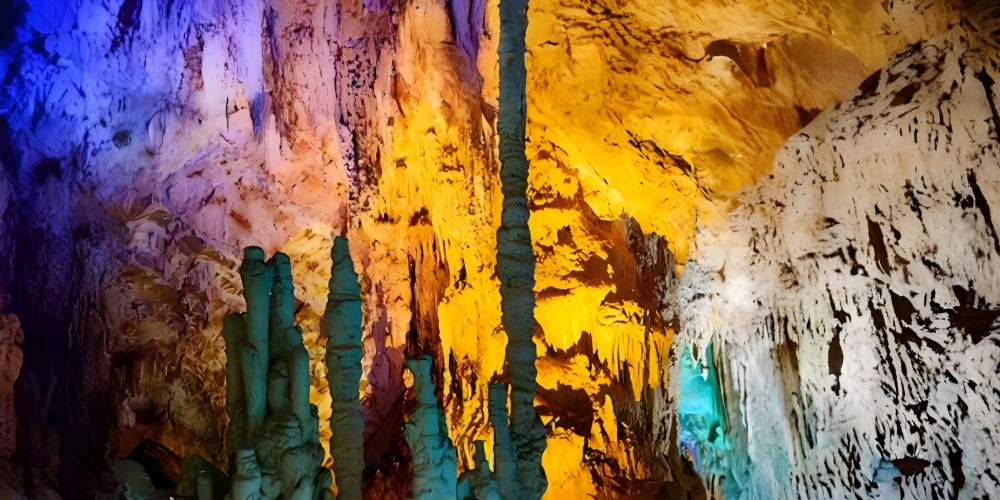
Furong Cave
Sitting beside Furong River in Jiangkou, Wulong County, Furong Cave is a UNESCO World Heritage Site and home to many types of stalactites. Furong Cave consists of caves such as Qikeng Cave, Dongba Cave, Water Curtain Cave, Furong Cave, and Square Cave. The colors of the various stalactites in the cave are very visually appealing under bright lights.
-
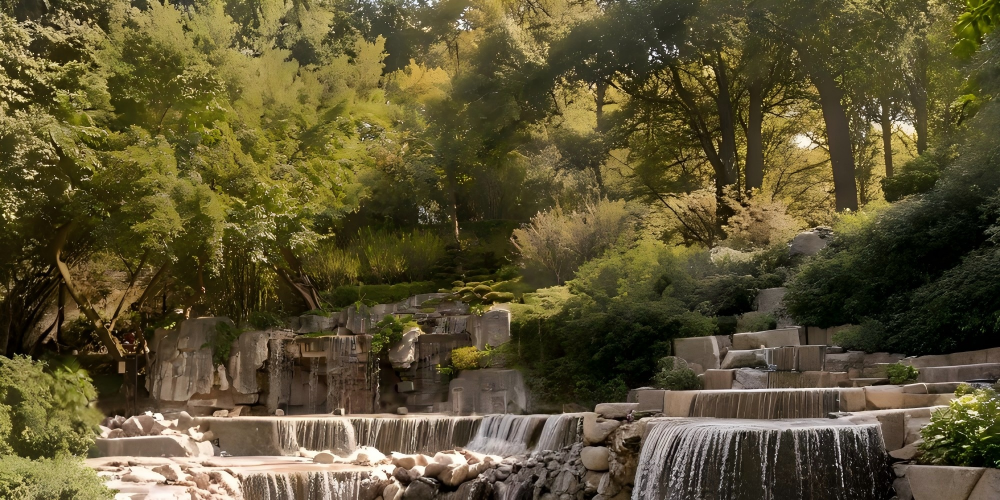
Eling Park
Eling Park in Yuzhong District is a free public park in the center of Chongqing. Sitting in the two river pavilions in the park, you can see the scenery of the Yangtze River and the Jialing River. This is a good place to overlook the night views of Chongqing. The park has lush trees and evergreen bamboo forests.
-
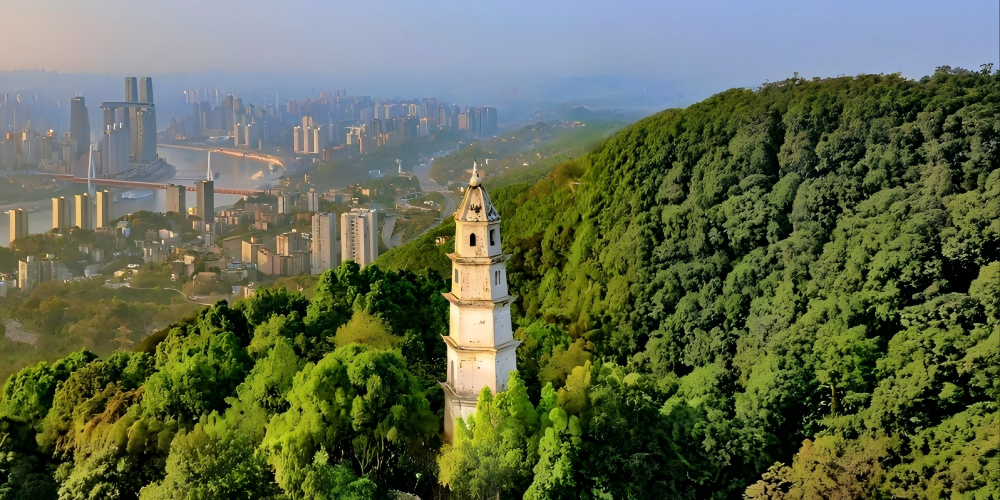
Nanshan Scenic Area
Nanshan Scenic Area is located in the Nan’an District of Chongqing. The Yikeshu viewing platform in the scenic area is a nice spot for enjoying the night scene of Chongqing. Local people also goes to the Nanshan Botanic Garden inside the area for flowers in spring and to cool off in summer. You can also enjoy the architectural relics of the Warlord Era in the scenic area as some villas and offical residences from that era are well preserved there.
-
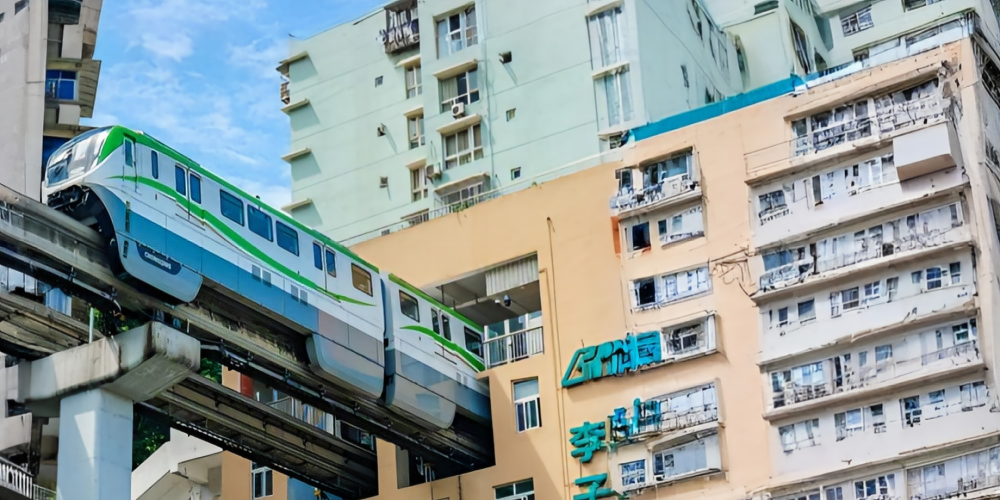
Liziba Station
Liziba Station is a unique urban view in Chongqing, famous for its distinctive design where the light rail passes through a building, attracting numerous visitors and photography enthusiasts. As a perfect blend of urban transportation and architectural art, Liziba Station not only showcases Chongqing’s modern transportation development but also stands as a symbol of urban engineering innovation. The light rail train travels right through residential buildings, a design that not only solves urban space utilization issues but also creates an astonishing visual spectacle. Visitors can watch the train pass through the buildings up close from the platform, experiencing the vibrancy and creativity of modern city life. The surrounding viewing decks offer perfect photo angles, making them ideal spots to capture this unique urban view. Beyond watching the light rail pass through buildings, the area around Liziba Station offers a rich urban cultural experience. Visitors can stroll through nearby neighborhoods, explore Chongqing’s local cuisine and unique shops, and feel the city’s distinctive charm. The station itself has become a popular photo spot, attracting visitors from around the world. Liziba Station is not just a transportation hub but also a landmark showcasing the city’s innovative spirit. Whether you’re an architecture enthusiast, urban explorer, or traveler seeking fresh experiences, it offers everyone a unique opportunity to experience Chongqing’s charm and modern urban wonders.
-
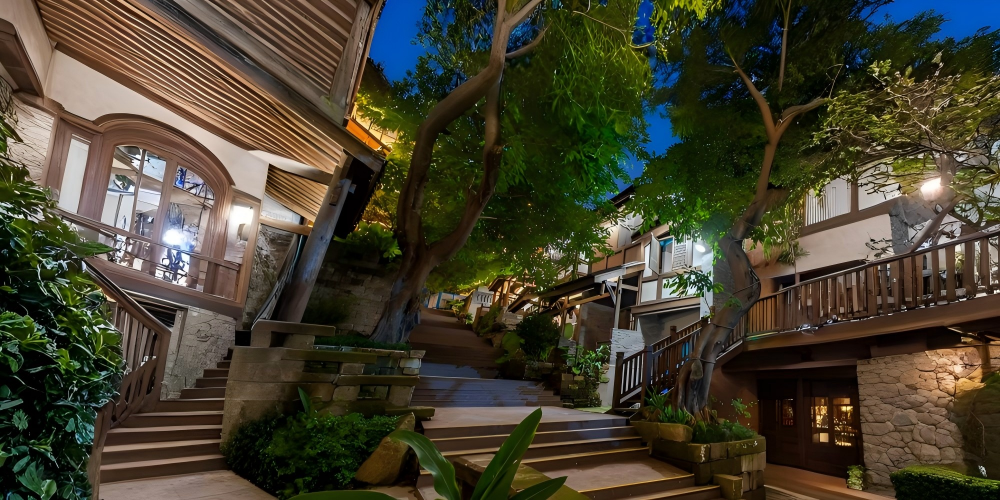
Chongqi Shibati Traditional Style Blocks
The land area of the Shibati traditional style area project is about 88 mu, the construction area is about 170,000 square meters, and the total investment scale exceeds 2 billion yuan. According to the positioning of the project, relying on the cultural tourism resources of Chongqing’s “mother city”, the modern cultural tourism industry will be integrated and developed, and it will be built into a characteristic cultural tourism demonstration area, a cultural display window for Chongqing facing the world, and an international cultural tourism destination. Integrating the four major functions of business, scenery, tourism and culture, it presents the panorama of Chongqing’s 800-year-old historical and cultural life in the region, and truly creates a strong experiential culture and tourism business demonstration base. Chongqing Shibati Traditional Style Area focuses on “urban sightseeing”, “intangible cultural heritage” and “cultural creative experience”, and combines the industrial positioning of modern service industries such as “night economy” to realize “culture + tourism” and “culture + Business”, “Culture + Creativity”, and “Culture + Crossover” panoramic experience development, and plans four characteristic areas of traditional culture experience, national tide cultural and creative experience, international exchange center and lifestyle center.