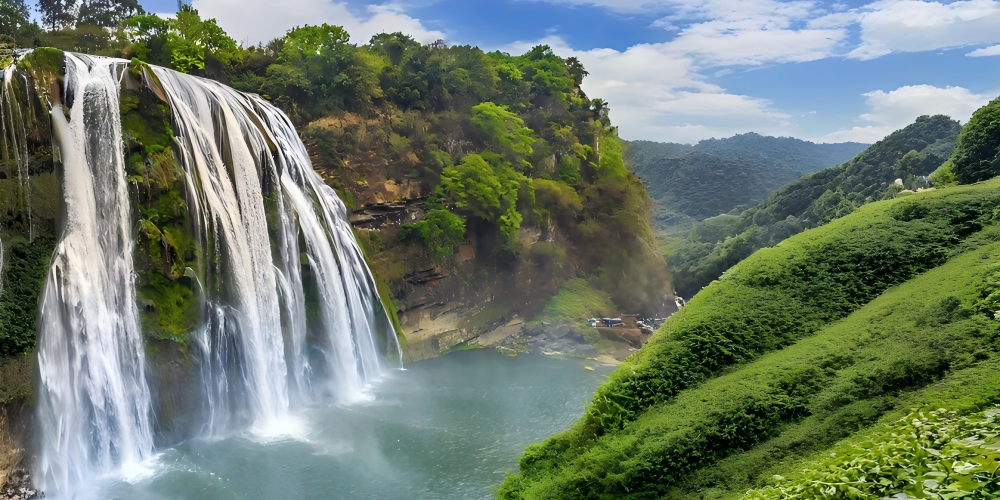
Centered around Huangguoshu waterfall, the area features over a dozen surrounding waterfalls. Huangguoshu waterfall gets its name from the numerous “huangguo trees” growing in the region. The waterfall is surrounded by rolling peaks, lush vegetation, and abundant gorges, caves, and stone forests, showcasing typical karst topography.Experience the unique charm of Huangguoshu Waterfall1. Approaching the grand waterfallHuangguoshu Waterfall gained fame starting from the renowned Ming Dynasty traveler Xu Xiake, and through generations of dissemination, it has become a well-known attraction. Huangguoshu Waterfall features six viewing platforms, allowing visitors to admire the grandeur, uniqueness, steepness, and beauty of the waterfall from six different perspectives: above, below, front, back, left, and right.2. Be baptized by the waterfall in the water curtain caveStep into the water curtain cave and immerse yourself in the scene where sparkling water flows down, appearing and disappearing like a fairyland on earth. For those who want to get close to the waterfall, wearing a raincoat and wandering through the cave offers a unique experience. It’s recommended to purchase a raincoat before entering the attraction.3. Explore the filming locations of the 1986 version of Journey to the WestThe water-curtain cave and steep slope pond in Huangguoshu Waterfall were filming locations for the 1986 TV series “Journey to the West.” When visiting Huangguoshu Waterfall, keep an eye out for those familiar scenes from “Journey to the West” and relive the classic moments.Sightseeing routeThe Huangguoshu Waterfall admission ticket includes three major attractions: Huangguoshu Waterfall, Tianxing Bridge, and Doupotang Waterfall. The typical visitor route is Doupotang Waterfall – Tianxing Bridge – Huangguoshu Waterfall. The ticket is valid for two days, allowing visitors to continue their tour the next day if unable to complete it in one day, though each attraction can only be visited once.Doupotang waterfall:The waterfall cascades down with tremendous force, creating a spectacular and awe-inspiring sight. If you’re lucky, you might even spot a beautiful rainbow. This location was also featured in the ending credits of the 1986 TV series “Journey to the West.”Tianxing Bridge: Marvel at the magical blend of rocks, water, trees, and cavesThe stone formations, water scenery, trees, and caves of Tianxing Bridge blend together in a magical way that inspires awe. Here, you’ll discover rocks rising from water, caves hidden within stones, and trees growing beside caverns—a testament to nature’s extraordinary craftsmanship. Take out your phone or camera to capture the moment, as every snapshot here yields rare and breathtaking landscape photos.Huangguoshu waterfall: visit in personHuangguoshu WaterfallFamous landmarksHuangguoshu waterfall is the grand finale of the tour route and the heart of Huangguoshu scenic area. Witness the world’s third largest waterfall and admire its magnificence. You can feel the charm of nature and marvel at the insignificance of humanity. Photography enthusiasts can bring professional DSLR cameras to capture panoramic shots of the waterfall, which will surely be breathtaking.Meals and accommodation guideAt the entrance of Huangguoshu Waterfall, there are many snacks to try, such as sticky rice (add chili for flavor) and love tofu. At Tianxing Bridge, many seniors and children of the Buyi ethnic group carry baskets selling eggs, cucumbers, and boiled corn. The rest area shops and stalls offer Anshun spring rolls and cold noodles at reasonable prices. Nearby accommodations include Huangguoshu Hotel, Jingu Waterfall Villa, and Liangyuan Hotel. During holidays, lodging can be tight, so consider staying in Anshun city.
归档: Attractions
-
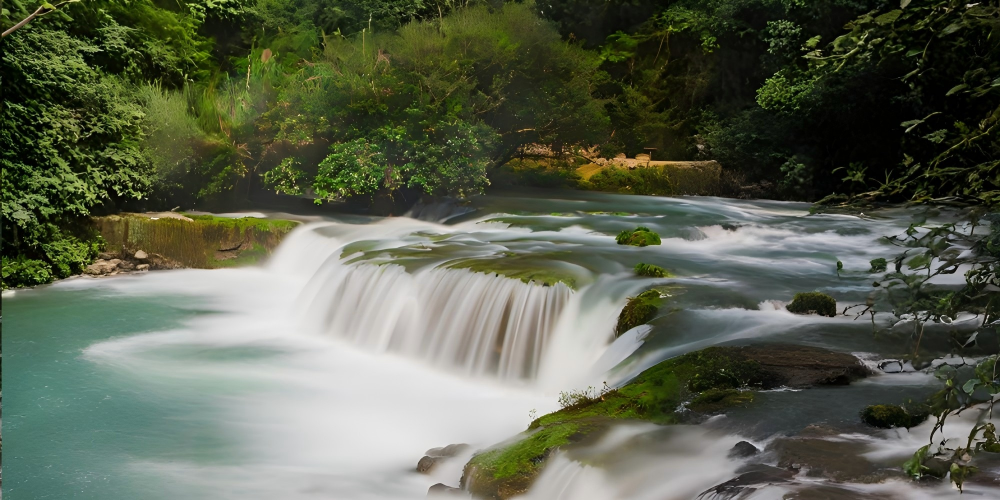
Libo Xiaoqikong Scenic Area
The Libo Seven Small Arches Scenic Area is located among the karst peaks south of the Libo County urban area. The attraction gets its name from a seven-arched bluestone bridge that crosses the noisy river there. The site incorporates all the beauty of mountains, water, trees, caves, lakes, and waterfalls. This natural splendor has combined with the authentic cultural flavor of the Tujia and Yao people of the area to bring fame to the area. Attractions like the ancient seven-arched bridge, the water forest, the crouching dragon pool, and Mandarin Duck Lake make the area like an earthly fairyland.
-
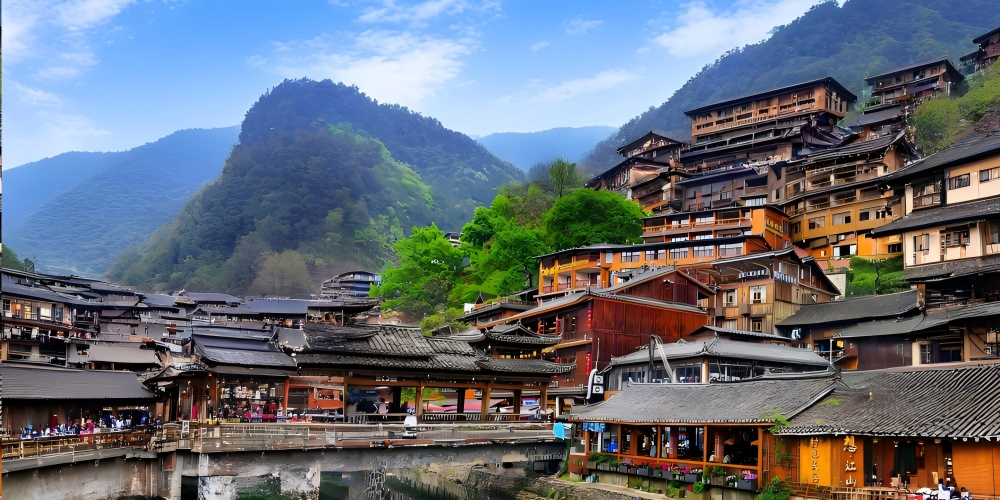
Xijiang Qianhu Miao Village
Xijiang Qianhu Miao Village consists of over a dozen natural villages built along the mountainside, inhabited by the “Xi” clan of the Miao ethnic group. The hills are covered with layered wooden stilt houses in earthy brown tones, nestled against emerald green mountains. The Baishui River divides the village in two—the riverside area (left side after entering through Xiaobei Gate for visitors) features a commercial pedestrian street, while the opposite bank (right side after entering through Xiaobei Gate for visitors) offers an observation deck with panoramic views of the village.Upon arriving at Xijiang Qianhu Miao Village, you’ll see a gate with the “Xijiang Qianhu Miao Village” plaque after exiting the parking lot. From this gate, it’s another 1.5 km to the village itself – you can either take an electric cart or walk. After covering this 1.5 km distance, you’ll encounter another similar gate with the same plaque near the parking area, which marks the official entrance to the village.Start with a welcoming drink before entering the village. The first sight is a bustling commercial pedestrian street filled with an array of Miao ethnic specialty goods. The highlight is undoubtedly the exquisite Miao silver jewelry. Nearby in Leishan County’s Dakou Township, Kongbai village is renowned as the “silversmith village,” where nearly every man masters the art of crafting intricate Miao silver ornaments.The performance venue in the pedestrian street area features Miao ethnic song and dance shows. You can also visit the Xijiang Miao Ethnic Museum and the Drum House (home of the Miao chieftain, where a bronze drum is enshrined). Alternatively, take a stroll along the Baishui River to see the wind-and-rain bridges with their protective roofs, or the low wooden plank bridges spanning the water.At the end of the village lies a pastoral landscape, rarely visited even during peak season. Cross the river to find the electric cart station heading to the viewpoint—take the short walk there, with several scenic overlooks along the way. Arrive at the viewpoint and wait for nightfall, when Xijiang’s grand spectacle begins. Thousands of lights flicker beneath the eaves of wooden stilt houses, dotting the darkness to outline the entire Miao village in the shape of an ox head. It’s astonishing to witness such radiant illumination from a mountain settlement. Return to the viewpoint at dawn as mist envelops the village, the first sunlight gilding the wooden houses while cooking smoke curls upward—a new day begins.In Miao villages, you’ll often spot Miao women with their hair coiled into topknots adorned with large flowers. But why just look when you can join in? Rent a set of traditional Miao attire and transform into a Miao maiden yourself—it’s a stunning look that’s especially popular among female travelers.Xijiang Qianhu Miao Village offers well-developed tourism facilities with no shortage of dining and lodging options. The must-try culinary experience is the long-table banquet. Local restaurants frequently ask visitors if they’d like to try this specialty – essentially extended tables arranged together to simulate the tradition. For the authentic experience, look for the outdoor version where dozens of tables connect in an impressively long line (sometimes too long to see from end to end). These genuine banquets typically occur during major festivals or when large tour groups visit – don’t miss this unique opportunity if you encounter one. The local cuisine in southeast Guizhou features distinctive sour flavors, with Miao village specialties including sour fish soup, pickled vegetables, and cured meats.
-
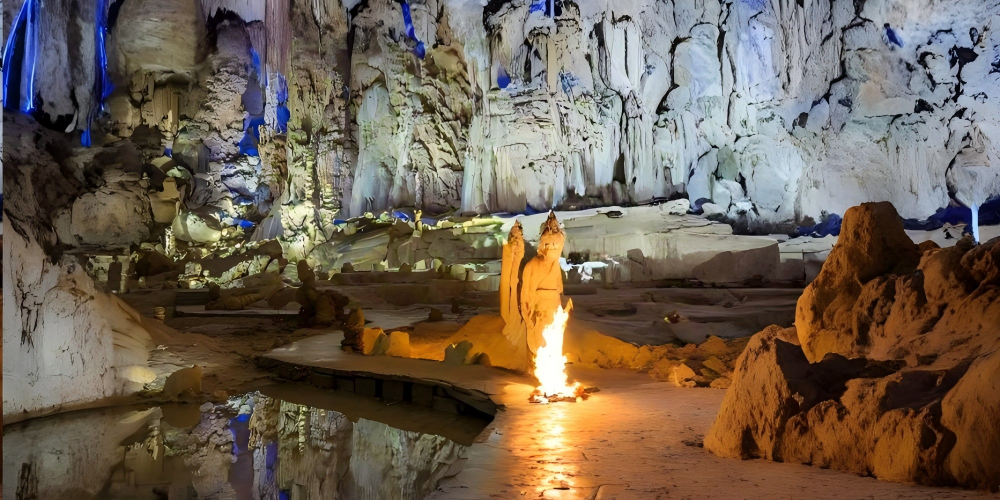
Zhijindong Cave
Located in Zhijin County, Bijie City, Guizhou Province, Zhijin Cave is a trove of precious cave resources, full of stalagmites and stone pillars of every form creating an incredibly varied karst cave setting. The sheer variety of stalactites here enchants the eyes. Entering the cave is like entering a multi-colored fantasy world, a breathtaking work of art by nature.
-
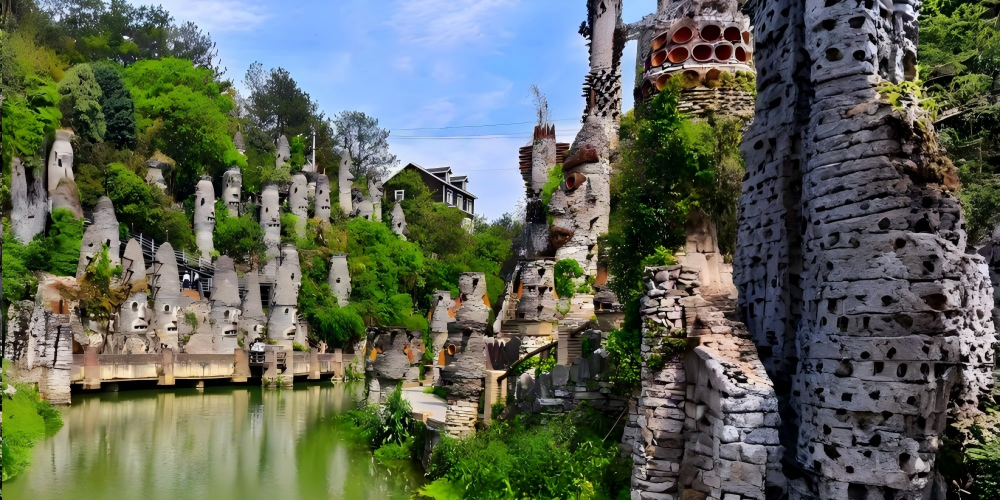
Yelang Valley
Huaxi Yelang Valley is located in a small canyon at the foot of the Cape Mountain in Huaxi University City, Gui’an New District. The opposite Cape Mountain is said to have been the residence of Queen Yelang’s successor to Jinzhusi. To this day, the ruins of the ancient Yelang Tun Fort are still preserved on the top of the mountain, and Yelang Valley is also named after it. The stone buildings, pottery art, sculptures and other characteristic buildings in Yelang Valley are mysterious and full of strong artistic atmosphere, which are worth seeing.
-
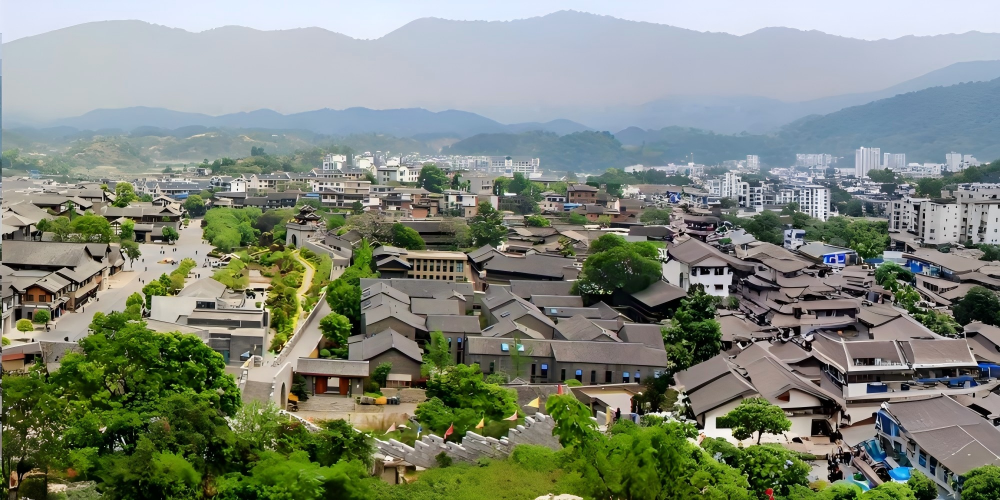
Qingyan Ancient Town
Qingyan Ancient Town is located in Huaxi District, the southern suburb of Guiyang, and is known as one of Guizhou’s four ancient towns alongside Zhenyuan, Bing’an, and Longli. Established during the Ming Dynasty as a military stronghold, the town preserves numerous well-maintained ancient buildings from the Ming and Qing periods. The filming of the movie “The Missing Gun” brought Qingyan Ancient Town to wider recognition.The ancient town’s architecture follows the natural mountain contours, with its city walls built from massive stones on cliffs. It features four city gates at the east, west, south, and north. The exquisite stone and wood carvings in the town’s buildings are a major highlight.The south gate of the ancient town, Dingguang gate, is the most magnificent among the four main gates. Historically, it served as the first gateway guarding the southern entrance to Guiyang. The towering gate tower and city walls built with massive stones, along with the winding flagstone path outside the town and surrounding farmland, create a spectacular landscape. Many promotional photos of Qingyan ancient town are taken here.Entering the ancient town through Dingguang gate, the first sight is the Zhaolilun centenarian memorial archway. Built by imperial decree during Emperor Daoguang’s reign in the Qing dynasty, this archway features an unusual design – the stone lions carved on its four pillars are upside down compared to conventional ones, creating a peculiar sight. Walking along the ancient stone-paved post road, you’ll find shops on both sides selling local specialties. Unique snacks like braised pig’s feet, grilled tofu, and rose candy offer distinctive flavors worth trying when you need a break from exploring.The ancient post road winding from the south gate to the north gate serves as both the central axis and main street of the ancient town. Divided by the ancient cultural square at the town center, the northern section is called North Street while the southern section is named South Street. Intersecting with the main street are East Street to the east and West Street to the west. Following East Street eastward leads to Wenchang Pavilion at No. 143, a brick-and-wood structure built during the Wanli era of the Ming Dynasty. This octagonal pavilion with multiple eaves was constructed against the mountain slope and served as a gathering place for scholars to study, socialize, and worship the Wenchang deity – visitors may also pay their respects if interested.Heading west along the main street, you’ll reach various distinctive religious buildings in Qingyan Ancient Town, including Yingxiang Temple, Ciyun Temple, Wanshou Palace, and the Catholic Church, all exquisitely crafted and perfect for photography. Between South Street and West Street lies a quiet alley called Back Street. This stone-paved lane is one of the most characteristic features of Qingyan Ancient Town, with its bluish-black flagstones polished smooth by centuries of use, reflecting light like mirrors to create a profound sense of tranquility. The narrow, serene path follows the mountain’s contours, flanked by layered slate walls, making it an ideal photography spot.The streets and alleys in Qingyan ancient town are deep and winding, but there are signposts on the main street and at every important intersection. Moreover, most lanes can loop back to the main street, so you don’t need to worry about getting lost while exploring the ancient town.
-
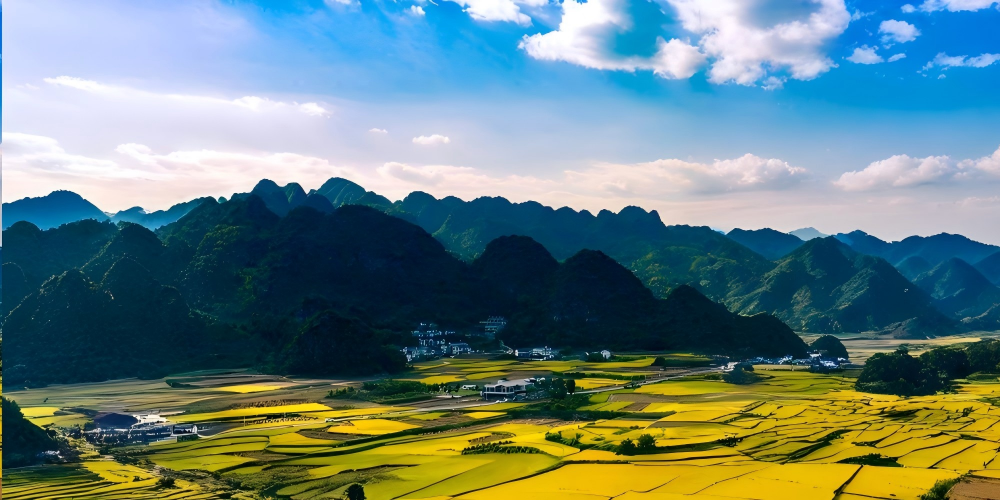
Wanfenglin Scenic Area
Wanfenglin Scenic Area is located in the southwest of Xingyi City, Guizhou Province, in the hinterland of Southwest Guizhou on the southeastern edge of the Yunnan-Guizhou Plateau, between 104 51′ and 104 58′ east longitude and 24 58′ and 25 42′ north latitude. The southern end borders Guangxi, the west reaches Sanjiangkou at the junction of Yunnan, Guangxi and Guizhou, and the north is connected to the main peak of Wumeng Mountain. The peak is 1,600 meters above sea level, with an average altitude of 1,200 meters. The forest coverage rate is 68.5%, and the total area is more than 2,000 square kilometers. It is a typical area for the development of conical karst peak forest landforms in the world. Wanfenglin has a pleasant climate, with an average annual temperature of 16-18 , no severe cold in winter and no scorching heat in summer. The average temperature in July is 21-26 . It is listed in the national summer resort city rankings and is an excellent leisure and tourism place in China.Wanfenglin Scenic Area is dominated by conical peak forests and peak clusters with Triassic strata rocks, among which are various geological relic landscapes such as karst caves, funnels, underground rivers, sinkholes and sedimentary strata. The peak clusters and peak forests are widely distributed, diverse in types, rich in form and well developed, which are extremely rare in China and even in the world. They are typical representatives of the conical karst landforms formed in the transition slope zone from the western Yunnan-Guizhou Plateau to the Guangxi hills, and are the “China Conical Karst Large Museum”.The scenic resource types of the scenic area are mainly natural landscapes such as pastoral scenery and strange peaks and mountains, supplemented by cultural landscapes such as ethnic minority villages. In terms of natural resources, according to the form of the peak forest, Wanfenglin is divided into karst isolated peaks, valley peak forests, karst cone peaks, blade-shaped stone peaks and other types, forming a magnificent and vast karst landscape, which is a typical representative of the cone-shaped karst landform landscape and has great geological research value; in terms of cultural resources, the long history of the Buyi people has accumulated a rich national culture. Whether it is their clothing, language, or living customs, they all contain a strong national cultural atmosphere. The “Eight Sounds Sitting Singing” which enjoys the reputation of “living fossil of sound” and “sound of nature” is the folk rap art passed down from generation to generation by the Buyi people. It has a history of more than a thousand years and has been rated as a “national intangible cultural heritage.”
-
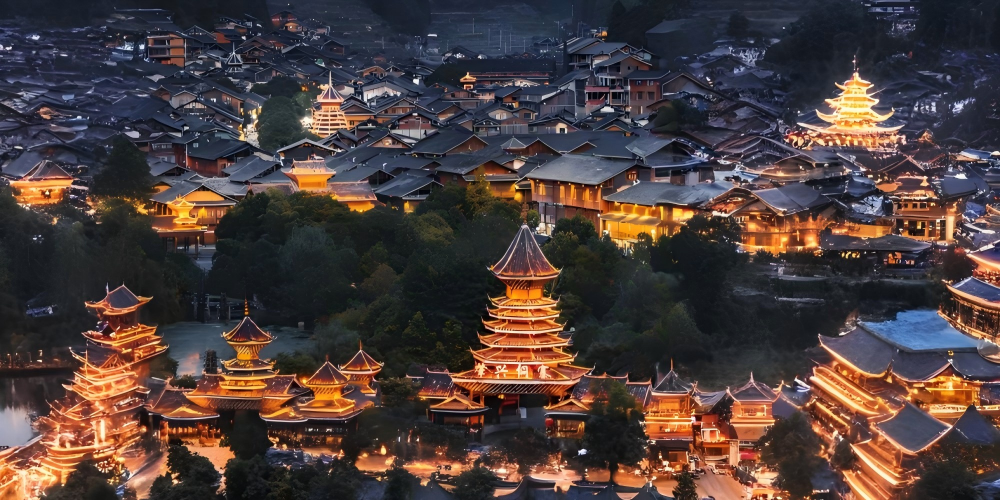
Zhaoxing Dong Village
Zhaoxing Village is a huge Yi village which was one of the sub-venues of the 2018 Spring Festival. The classic Yi style architecture in Zhaoxing Village is a popular attraction for visitors. There are six covered ‘wind and rain’ bridges each of which has a unique and beautiful shape. The blue tile roofs are simple yet practical. There are also a number of large wooden drum towers. The Yi cultural song and dance performances are a must-see for any visitor.
-
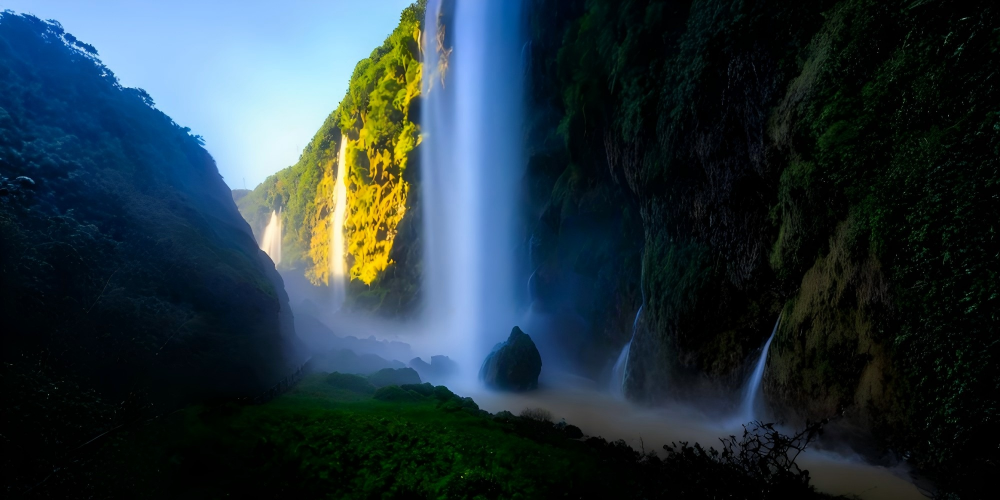
Maling River Canyon
Maling River is located in Xingyi City, a strategic point for Yunnan, Guangxi and Guizhou. It is 334 kilometers northeast of Guiyang and 321 kilometers west of Kunming. It originates from Baiguoling in the Wumeng Mountains. The upper reaches are called Qingshui River, and the middle reaches are called Maling River because of Mabie Dazhai and Malingzhai on both sides. Maling River has a slightly sad title – “the beautiful scar on the earth”, which vividly describes the magnificence and steepness of Maling River. Maling River is more than 70 kilometers long, cutting a narrow and deep ground canyon in the plain. This structure is extremely rare in the world and is known as “the first seam in the world”.The majestic and beautiful Maliang River Canyon National Scenic Spot is known as the “River of Thousands of Waterfalls” and “The Crack in the Sky and Earth”. In 1993, the Maliang River “Five Rings Rafting Company” was established, pioneering rafting in the southwest. In April 1998, the International Canoe Rafting Competition was successfully held, and it became the Guizhou Province Canoeing Training Base and the National Olympic Whitewater Sports Base.
-
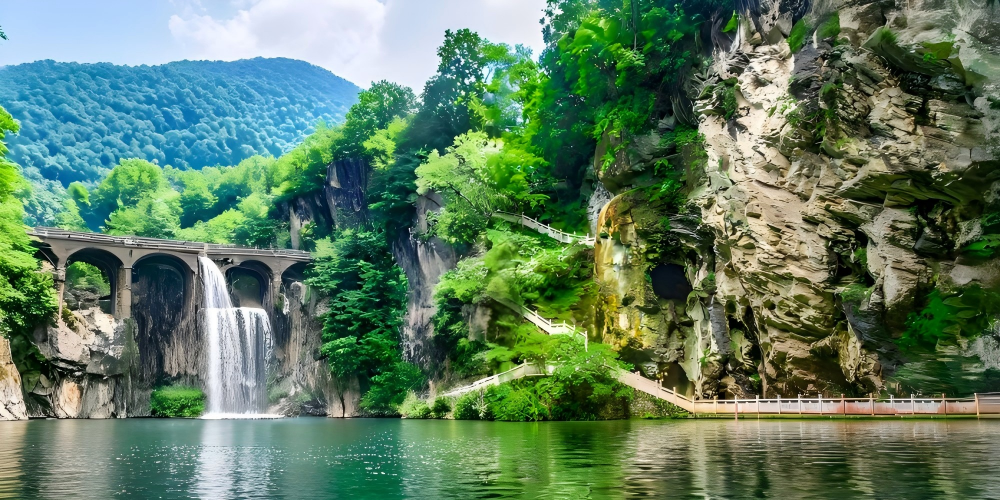
Tianhe Pool Scenic Area
Tianhetan is located in Shiban town, Huaxi district, Guiyang. It is a scenic area featuring typical karst landscapes complemented by the cultural heritage of historical recluses. It is 24 km from downtown Guiyang and 13 km from Huaxi, covering a total area of 15 km².The scenic area features winding river valleys and rugged ravines, blending mountains, waters, caves, pools, waterfalls, natural bridges, gorges, and secluded retreats into one harmonious landscape. Here, caves nestle within mountains with water flowing through them, creating hollow mountains echoing with the sound of streams. Emerald pools give rise to cascading waterfalls in diverse formations scattered throughout. Known as “a microcosm of Guizhou’s scenic splendor,” it was praised by former Chinese leader Gu Mu as “a unique wonder of central Guizhou.”