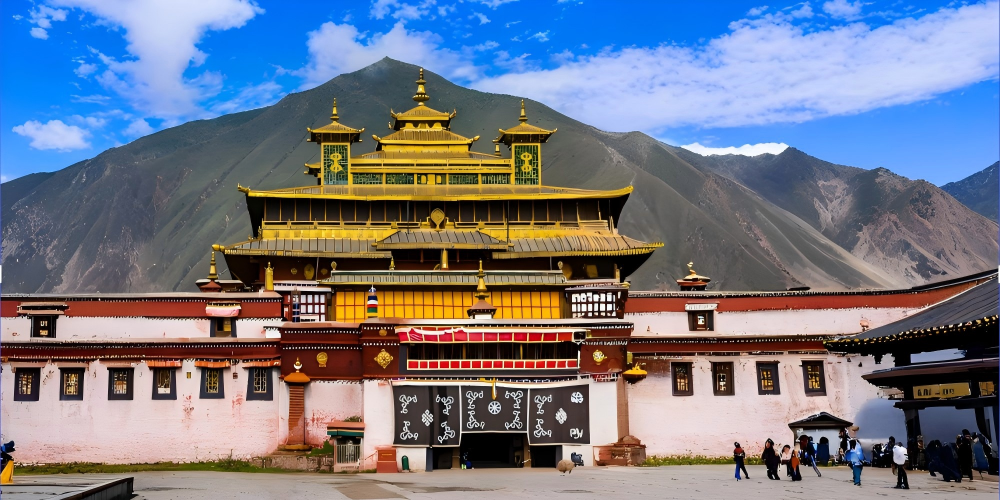
Located at the foot of the sacred Habur Mountain in Zhanang County, Shannan Prefecture, Samye Monastery is the first monastery in Tibet where monks were ordained. It is also the first monastery in the history of Tibetan Buddhism that has all the “Buddha, Dharma, and monks”. It is known as “a masterpiece in the history of architecture”. The temple architecture is laid out according to the Buddhist cosmology. The main hall has three styles: Tibetan, Han, and Indian. Therefore, Samye Monastery is also known as the Three-style Temple. Samye Monastery is based on the Udapo Monastery built by the ancient Indian Brahma Dynasty in Magadha. It was led by Guru Padmasambhava and took 12 years to build. Legend has it that when it was first built, Trisong Detsen was eager to know what it would look like after it was built, so Padmasambhava conjured up an illusion of the temple from his palm. After seeing it, Trisong Detsen couldn’t help but exclaimed “Samye” (meaning “unexpected” and “unimaginable”), and later used this exclamation as the name of the temple. After generations of expansion and renovation, Samye Monastery covers an area of more than 4,900 square meters. The main hall is surrounded by eight small islands, the Sun and Moon Hall, and four towers in white, black, green and red. In the morning or evening, you can climb to the top of the sacred mountain Habu Ri next to Samye Monastery to overlook the panoramic view of Samye Monastery and the Yarlung Zangbo River. The scenery is endless. The entire temple of Samye Monastery faces south and consists of two major parts: the central hall and the surrounding corridors. The layout of the temple is designed according to the structural layout of the “Great World” in the Buddhist scriptures and built according to the mandala of Tantric Buddhism. The main body of the Wuzi Hall represents Mount Xumi, the center of the world. The four halls around the hall represent the four continents and eight small continents in the four salt seas. The Sun and Moon Halls symbolize the Sun and Moon Halls in the universe, and the temple walls symbolize the Iron Mountain outside the world. Four red, white, green and black towers are built around the main hall to subdue all evil spirits and demons and prevent natural disasters and man-made disasters. There is a gate on each side of the wall, and the east gate is the main gate. The Wuzi Hall and the corridors are full of murals. In addition to conventional themes, there are also well-known “History of Tibet” murals on the middle corridor of the wall. The paintings record the ancient legend of the Rakshasa woman and the monkey god who gave birth to the Tibetans, and Tsongkhapa founded the Gelug Sect. The mural is 92 meters long, magnificent and magnificent, and is known as the “History of Painting” in Tibet. In addition, there are “History of Samye Monastery” on the first and second floors of the main hall, and “Biography of Padmasambhava” and other murals on the south side of the second floor, all of which are exquisite and cannot be missed. On the south side of the east gate, there is a square columnar stone stele erected during the reign of Trisong Detsen. It is simple in style and has no patterns or other decorations. This is the famous “Samye Xingfo Zhengjian Stele”. The inscriptions are all in ancient Tibetan, recording the oath made by Trisong Detsen in 779 AD to support Samye Monastery. In the porch of the main hall, there is also a large bell cast by Trisong Detsen’s wife and prince. The temple is surrounded by lush trees, lush forests, lingering rivers and canals, and black-necked cranes leisurely foraging. It can be said to be a fairyland and a plateau oasis.
归档: Attractions
-
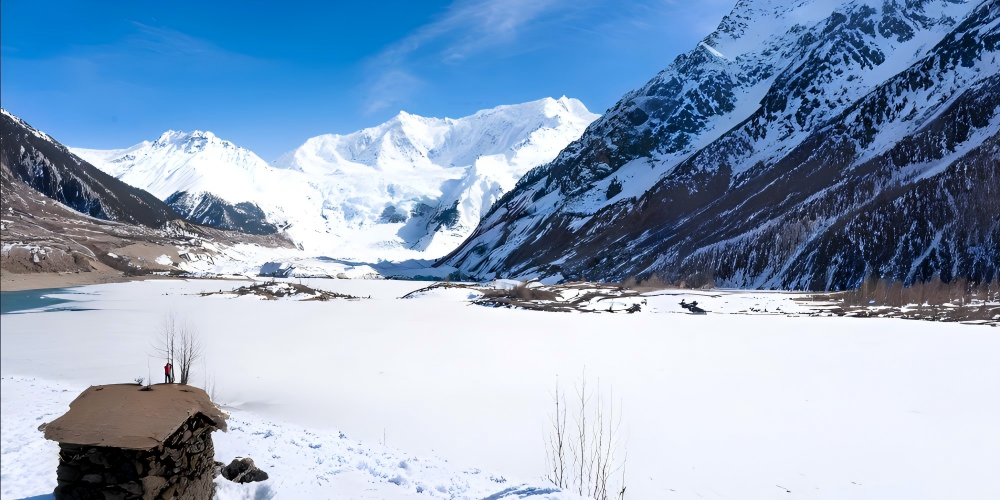
Mi Dui Glacier
Midui Glacier is located near Mimei and Midui villages in Yupu Township, Bomi County, Nyingchi Prefecture. It is only 8 kilometers away from National Highway 318. It is very convenient to arrive. Due to the low altitude of the ice tongue, it can be easily viewed at close range. The Midui Glacier has a handsome shape and was rated as one of the six most beautiful glaciers by China National Geographic. To watch the Midui Glacier, you must first reach Midui Village at your feet. The ticket office is about 6-7 kilometers away from Midui Village. This section of the road has poor road conditions. From Midui Village to the viewing platform, you can walk, but the distance is longer, about 2.5 kilometers, and it takes about 45 minutes. You can also ride horses, and you need to pay about 100 yuan for the round trip. After reaching the viewing platform, you can see the open glacier unfolding in front of you, which is very spectacular.
-
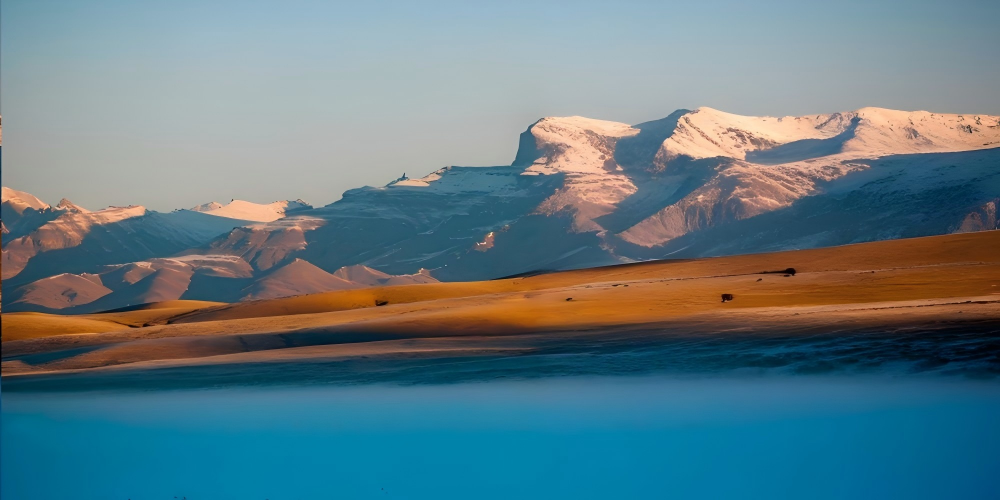
Lake Manasarovar
Located in Pulan County, Ali Region, Tibet, Lake Manasarovar is one of the world’s highest freshwater lakes and one of the three renowned holy lakes in Tibet. Lake Manasarovar is currently a lake with a high transparent water quality in China. It is known as a holy lake. The lake is also known as the Nectar of Chakrasamvara. Historically, pilgrims have considered being able to come to the lake to pray and bathe themselves as a great blessing in their lives.
-
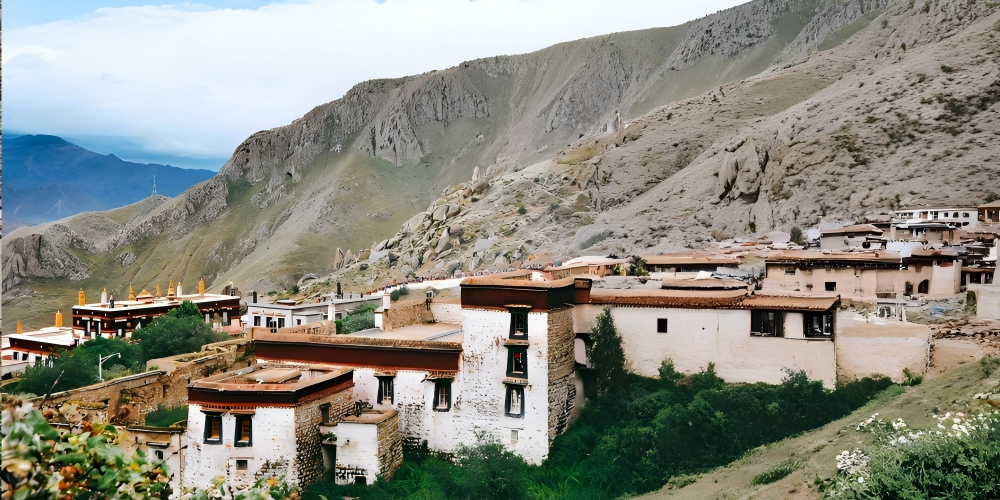
Drepung Monastery
Drepung Monastery is found in the foothills of the western suburbs of Lhasa. The architectural complex of the monastery is large-scale. White houses and red halls line up onto the mountainside. They look like huge piles of rice which are spectacular when photographed. It is a monastery with a high status among the Gelug factions of Tibetan Buddhism. It has an impressive internal architectural atmosphere and is filled with many beautiful treasures.
-
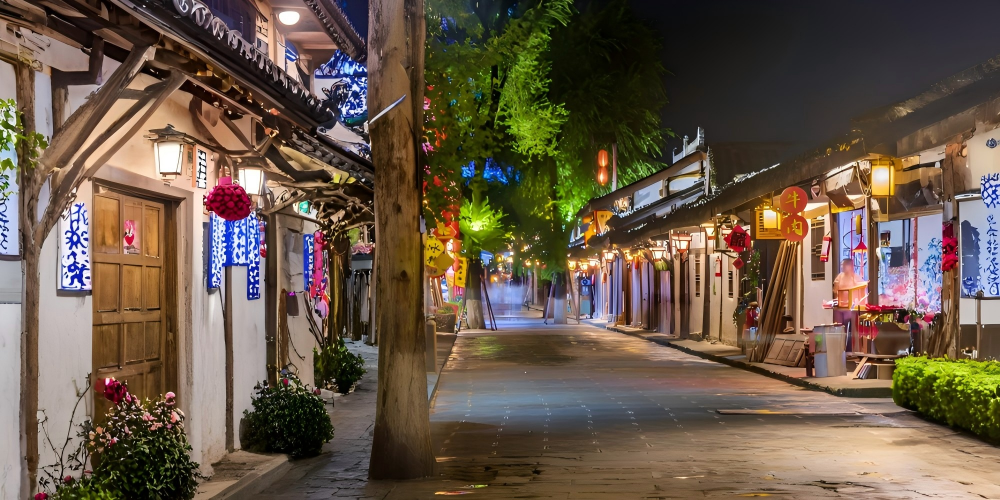
Barkhor Street
Barkhor Street, also known as Bajiao Street located in Lhasa, Tibet. The street is a well known ancient street representing the culture and folk customs of Tibet. While walking on the street, you can experience what life was like in the past, and experience the food and culture of natives to Lhasa. You can view and learn things from traditional dress, and dances, to traditional meals, to the architecture of the town itself, which has been well preserved throughout the years. Barkhor Street is a must-visit location to experience in Lhasa.
-
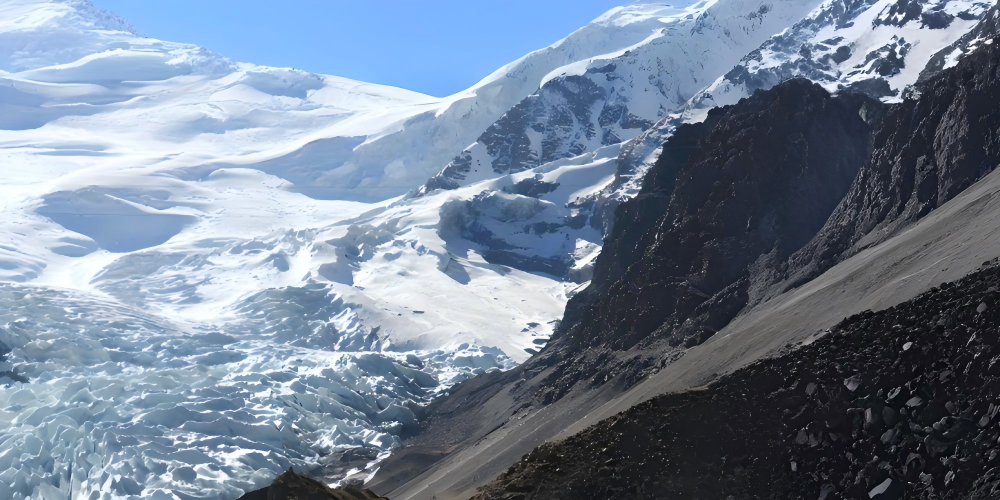
Karola Glacier
Karuola Glacier is located at the boundary between Nagarze County and Gyangze County in the south of Tibet. It leans on the south slope of Nojin Kangsan Mountain, one of the four largest mountains in Tibet. The top of the glacier is the ice cap with gradual slope, while the bottom is two ice tongues shaped as ice fall. Karuola Glacier is one of the three continental glaciers in Tibet, and it is also an outdoor shooting site, for multiple movies.
-
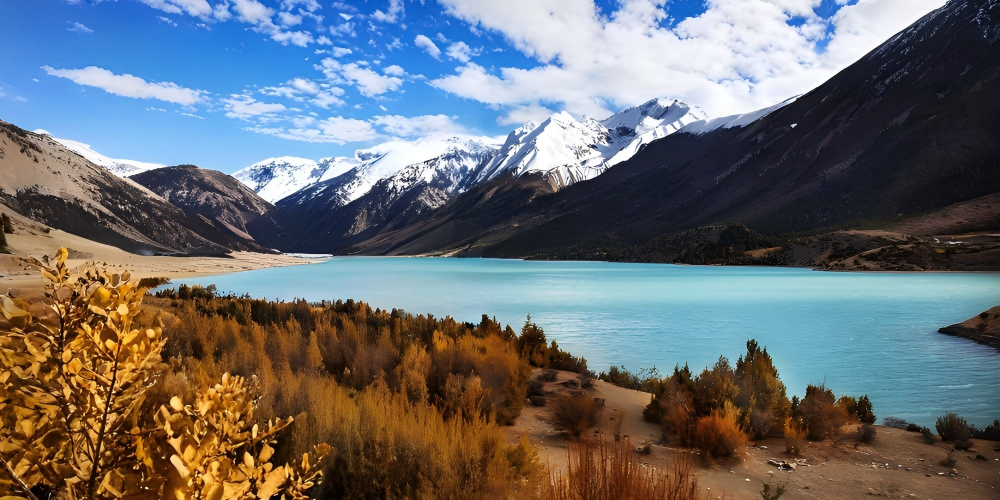
Ranwu Lake
Ranwu Lake is located in Basu on National Highway 318. It is the main source of the Palong Zangbo River, a tributary of the Brahmaputra, with a length of about 25 kilometers. The whole lake is in the shape of a long and narrow river valley, with a width of 12 kilometers. To the north of Wuhu Lake is the famous Laigu Glacier, which extends to the lake. Whenever the snow and ice melt, the snow water is poured into the lake, so that there is always a rich source of water here. Ranwu Lake is surrounded by a large meadow of green grass, covered with bright wolf poisonous flowers, blue lake water and snow-capped peaks, forming a beautiful scenery. Depending on the season, the lake water also presents several colors such as blue or green, with many rocks and small islands interspersed among them.
-

Norbulingka
Norbulingka is a palace and surrounding park in Lhasa, Tibet, which has a lot of relics and treasures remained. As a huge and exquisite park of Tibet, there are more than 300 rooms in it. Norbulingka has a beautiful scenery surrounded by various types and numbers of plants and flowers, which is like a wondering place of the earth.
-
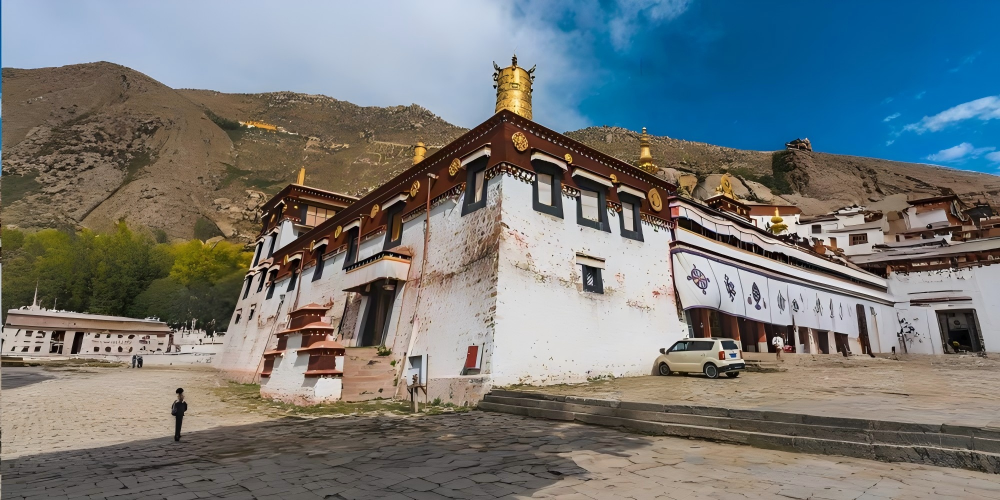
Sera Monastery
The Sera Monastery is called salad Dalai Chau. It is located at the foot of the Seraulu Mountain in the northern suburbs of Lhasa City. It was built for the disciples of the Tsongkhapa Master Minchin Ching-chih and the Ming Dynasty Yongle. Sera Monastery is a large-scale temple built on a hill. It is one of the three largest temples in Lhasa and one of the six temples of Gelugpa (Yellow religion).
-
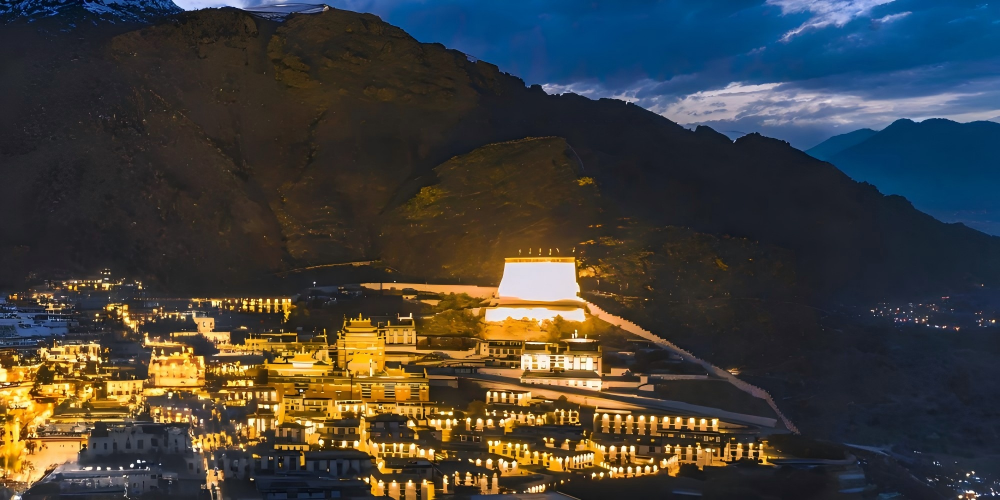
Tashilhunpo Monastery
Tashilhunpo Monastery means “Auspicious Sumeru Mountain” in Tibetan. It is one of the six major Dge-lugs-pa temples. Since the 4th Panchen Lama, Tashilhunpo Monastery has become the head base of Panchen Lamas. Cuoqin Hall is the main hall of Tashilhunpo Monastery. Panchen Lamas used to preach a sermon to the monks throughout the temple. It is also the site for religious debates of monks. 7 Stupa Halls lie in the east of the monastery and dagobas of Panchen Lamas are placed there. The monastery also stores a number of valuable cultural relics in the Song, Yuan, Ming and Qing Dynasties.