
Xindu Bridge, also known as East Russia, is located at the fork of the Sichuan-Tibet North-South Line of National Highway 318. It is known as “a photographer’s paradise”. Here you can take pictures of boundless meadows, winding streams, golden autumn leaves, large areas of cattle and sheep foraging on the hillside, and scattered Tibetan villages. The shutter can produce a beautiful landscape photo. Play in Xinduqiao and appreciate her unparalleled charm, where mountains, water, trees, cattle and grass are intertwined, you will feel as if you are in a pastoral landscape painting. No wonder it is known as “the world of light and shadow” and “photographer’s paradise”. No one will take Xinduqiao as the end of a trip, it is just a post on the road to Tibet. It can be reached in one day from Chengdu along National Road 318, and then go north on National Road 317 (North Sichuan-Tibet Line) or continue westward on National Road 318 (South Sichuan-Tibet Line).
归档: Attractions
-
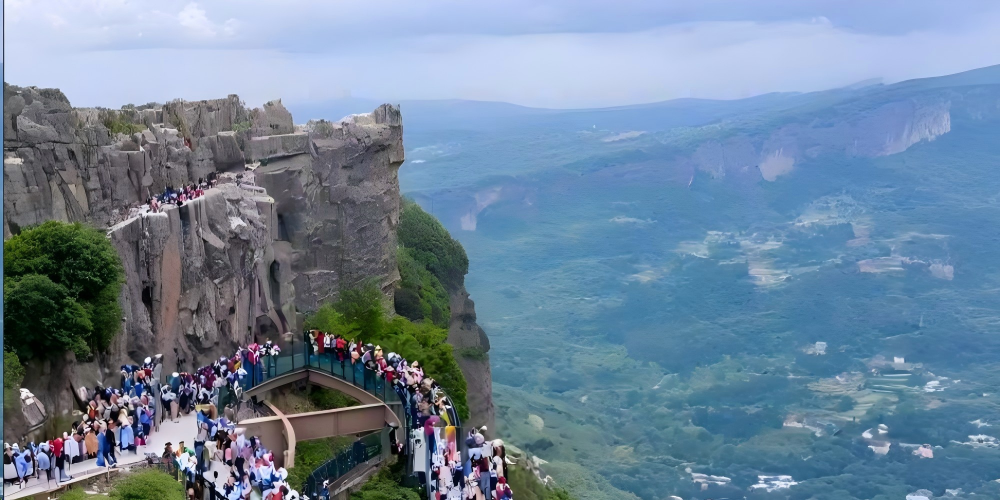
Jianmen Pass
The Jianmen Pass is located in Jiange County between Dajian Mountain and Xiaojian Mountain. It has been famous throughout history, holding an important position militarily due to its precipitous topography and ease of defense. Visitors to the scenic area can take the easier “Bird Path” of the mountain, or the “Ape Route,” which requires renting professional mountain climbing equipment.
-
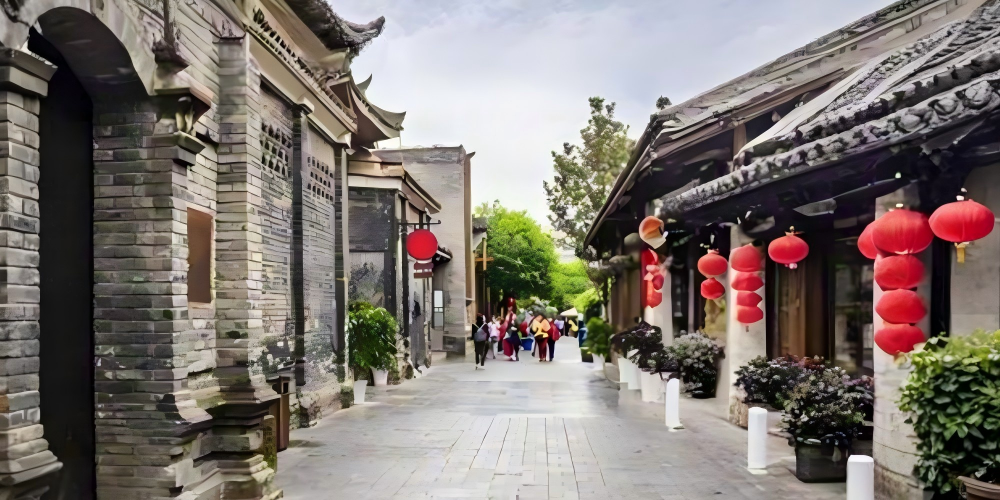
Kuanzhai Alleys
Kuanzhai Alley is an ancient street in Chengdu left over from the Qing Dynasty. It is composed of three parallel lanes – a wide alleyway, a narrow alleyway and a criss-crossed alleyway, with courtyards between them. Here, you may drink tea, eat hotpot and experience the old and new way of life in Chengdu. It is one of the hotspots in Chengdu where old folks come together and carry out their activities. Kuanzhai Alley also comes alive at night due to a couple of modern bars situated there. Feel free to check it out if you are a night-life person.
-
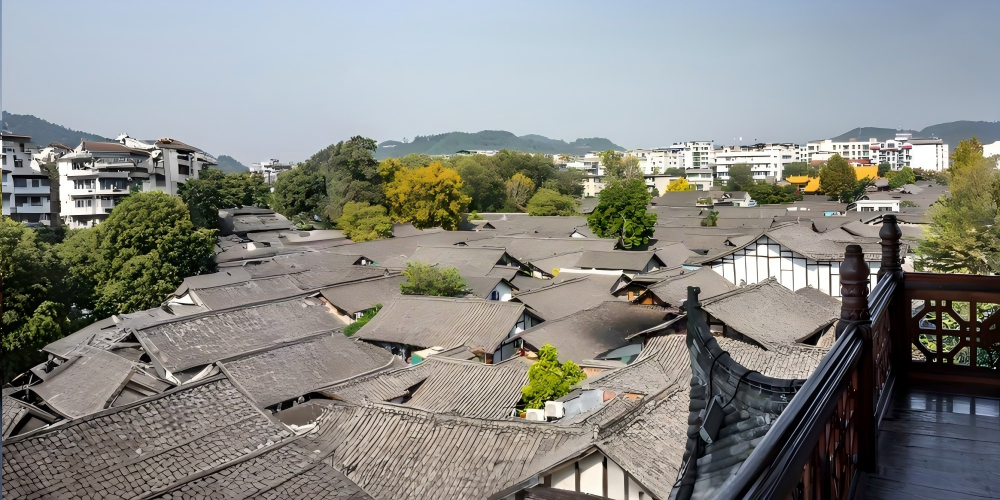
Ancient City of Langzhong
Langzhong Ancient Town is located along the bank of the Jialing River in Nanchong and is one of China’s four major ancient towns. Its more than 2000 years of history are well-preserved, and the town has an extremely unique layout. The famous general Zhang Fei of the Three Kingdoms Period once garrisoned at Langzhong for 7 years. In Langzhong, you can stroll the ancient lanes, visit the Zhang Fei Temple, look out across the whole town from Jinping Mountain, and enjoy the leisurely pace of local life. The folk customs here are rich and varied. The on-site performance of the show Langyuan Xianjing includes many folk performances and is worth watching. A lot of fun activities are available during the Spring Festival period.
-
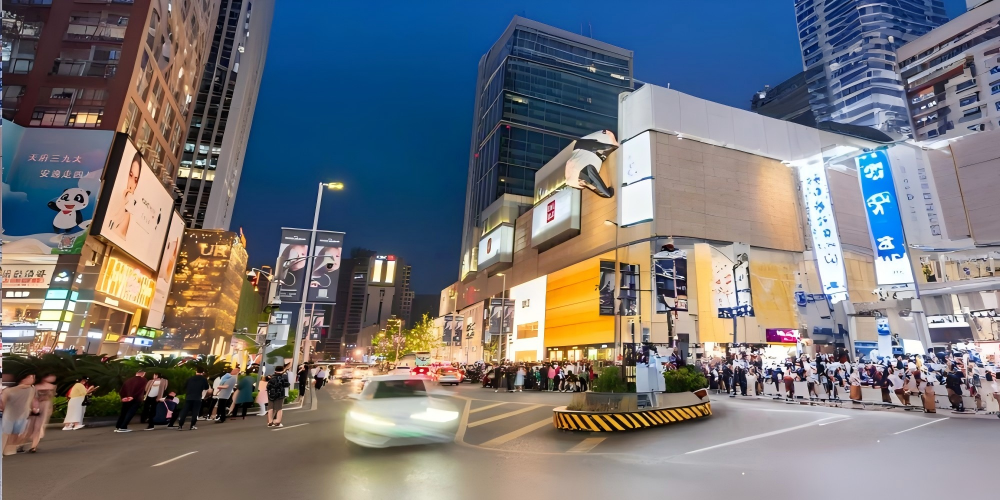
Chunxi Road
Chunxi Road is the fashion hub of Chengdu and a culinary hotspot. Exploring this iconic commercial pedestrian street and indulging in local delicacies is a must-do when visiting Chengdu.Chunxi Road is not just a single street, but refers to the area east of Beixin Street, south of Zongfu Road, west of Hongxing Road, north of Dongda Street, as well as Nanxin Street, Zhongxin Street and their surrounding areas. For visitors to Chengdu, missing out on Chunxi Road would be as regrettable as skipping Wangfujing in Beijing or Nanjing Road in Shanghai.On both sides of Chunxi Road, you’ll find a vibrant mix of century-old shops, trendy malls, brand boutiques, and delicious snack stalls. Famous local eateries like Zhong’s Dumplings, Lai’s Tangyuan, Han’s Steamed Buns, and Long’s Wonton all have branches here. On weekends, this area also serves as a popular leisure spot for Chengdu residents.The intersection of Chunxi Road’s main street is the famous Zhongshan Square, where the bronze statue of Sun Yat-sen stands. At the northern entrance, there’s also a Chengdu folk-custom relief art wall carved from granite, depicting various scenes of Tang Dynasty Chengdu, including temple fairs, flower festivals, lantern festivals, and mulberry picking.
-
Jinli Street
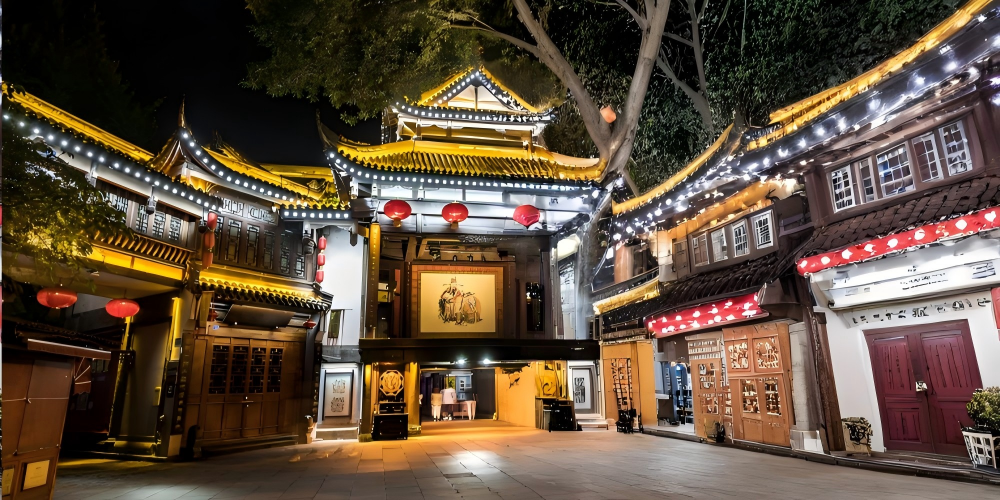
Jinli Ancient Street is a well-known pedestrian commercial street in Chengdu. It consists of large antique buildings with architectural styles of the late Qing Dynasty and numerous bars and restaurants. The famous Wuhou Temple is another well-known attraction nearby. People generally visit Wuhou Temple before coming over to Jinli Ancient Street. Both sides of the street sell small ornaments with local characteristics and many old Chengdu craftsmen can be seen busy blowing sugar paintings and dough figurines. The huge variety of food available on site can make you drool too – Zhang Fei beef, beancurd pudding, beef pancake, bobo chicken, etc. Each of them has its unique flavor so please go there with an empty stomach! The street also comes alive at night as red lanterns light up and visitors fill the bars and teahouses. You can fill your tummies with street food and head to the bars or teahouses after that for some alcohol or tea depending on your preferences.
-
Xiling Snow Mountain (Ski Resort Area)
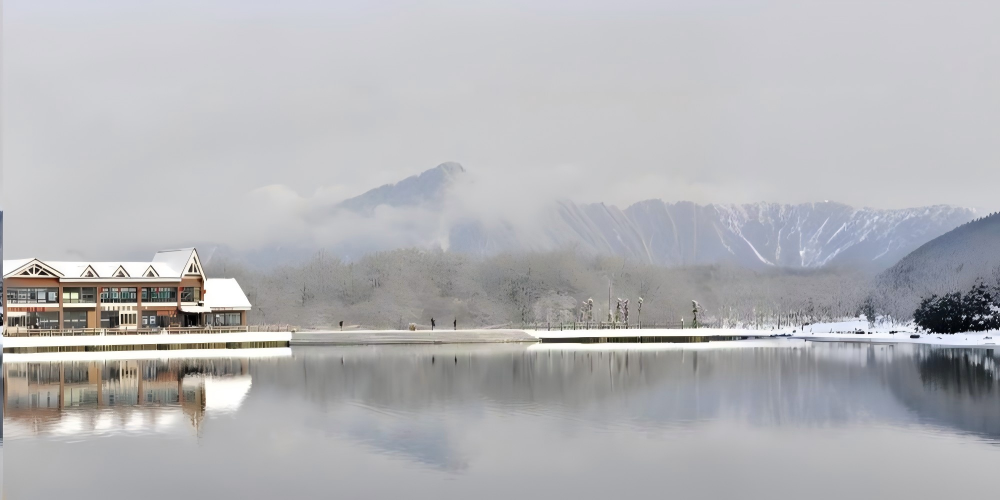
The scenery of the Xiling Snow Mountain has its own unique characteristics throughout the year. The main peak Miaojiling is one of the highest peaks around Chengdu at a height of more than 5,000 meters above sea level. The top of the mountain is covered in snow all year round and is magnificently beautiful. In spring, the azaleas in the mountains and fields are in full bloom forming a sea of flowers. Due to the lush forests, this attraction is ideal for avoiding the heat during summer. The winter season runs from end November till end March. During this period, the mountain attracts many visitors to its snow-filled attractions. There are ski resorts in the mountains as well as snowmobiles and dog sleds available for rent.
-
Kangding Mugecuo Scenic Area
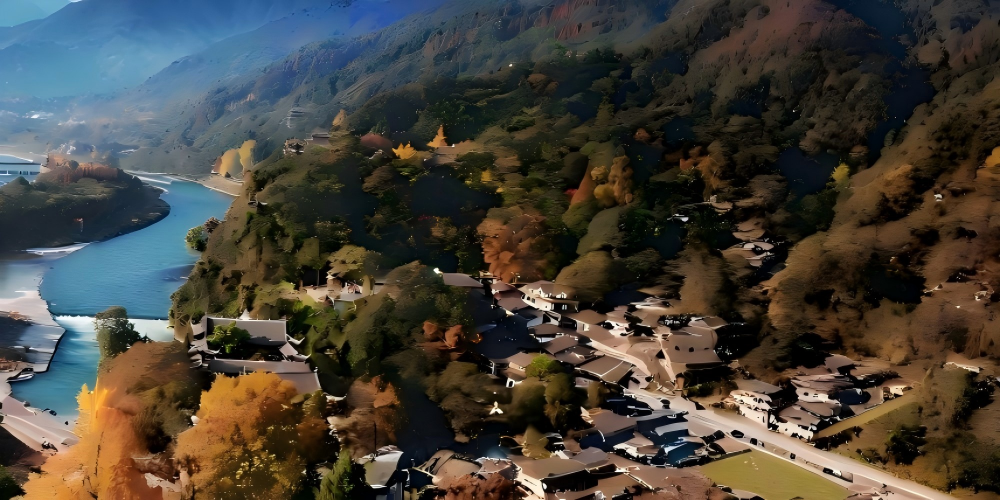
Mugecuo(Full name:Mugecuo, located in the middle section of the Gongga Mountains, is about 17 km from Kangding city center. It is a national AAAA-level tourist attraction, a World Natural Heritage nominee, and a key scenic area. The attraction serves as a core component of the “Two-Hour Economic Circle Around Gongga Tourism.” With an elevation of 2,800–3,780 m, it lies at the northern foot of the Hengduan Mountains, part of the Daxue Mountain Range, and marks the western edge of the Sichuan Basin.Qinghai-Tibet PlateauThis transitional zone features a water area of nearly 4 km² with depths exceeding 70 meters. Most of the water comes from melted snow off the Nuwa Snow Mountain behind it, resulting in exceptional visibility of approximately 6–10 meters. The attraction showcases a stunning landscape with alpine lakes, primeval forests, hot springs, snow-capped peaks, peculiar rock formations, and the 8 km-long Thousand Waterfalls Gorge. The ingeniously designed scenic spots make it an ideal destination for sightseeing, recreation, relaxation, recuperation, fitness, summer retreats, and scientific research.The attraction is located in the sub-humid climate zone of the Qinghai-Tibet Plateau, featuring cool summers and autumns but severe cold in winter and spring. The specific climate conditions are as follows: From late December to February, the lake surface freezes, thawing in March. Temperatures remain low before April. During summer, the average monthly temperature ranges from 10–14°C. Due to the high-altitude terrain, the attraction experiences significant daily temperature variations, with warm afternoons—visitors should prepare for cold weather. Snowfall occurs after late October, offering scenic snow views, though snow accumulation is short-lived. Visitors should pack appropriate clothing according to the season and climate characteristics and be mindful of altitude sickness, carrying necessary medication if needed.The scenic area covers approximately 350 km², consisting ofRhododendron Gorge,Fangcaoping,Kangding Love Song (Mugecuo) Scenic Area – Seven-Color LakeYaochi Hot Springs, Mugecuo (Wild Man Lake), andRed Sea GrasslandSix attractions combinationNearby, there are several other alpine lakes and hot springs, where pristine forests, grasslands, and snow-capped mountain views blend seamlessly. The attraction boasts unique local customs, serving as the birthplace of love songs and the cradle of Khampa culture. It is also the starting point for Sichuan-Tibet travel.The Fangcaoping grassland spans over 60,000 square meters, divided into inner and outer sections by the central white pagoda. Every June, this lush green meadow covered with Gesang flowers served as one of the primary filming locations for both the movie “The New Love Song of Kangding” starring Alec Su and the TV series “The Warriors” produced by August First Film Studio to commemorate the 80th anniversary of the Red Army’s Long March victory.The Mugecuo Scenic Area (Kangding Love Song) – Seven Color Lake is located at an altitude of 3,200 meters, forming a plateau lake where lake water blends with hot springs. The crescent-shaped lake covers approx. 20 hectares with a depth of over 20 meters, surrounded by forests and meadows in serene tranquility. Its crystal-clear waters shift through seven hues under sunlight and weather changes, hence the poetic name.Azalea Valley connects to the east and joins Wild Man Lake to the west, stretching 8 km in length. Within the valley, streams alternate between rushing rapids and gentle flows, creating a sparkling spectacle. Both banks are lush with vegetation, particularly the pristine azalea forests that stand out. The azaleas here display a stunning variety of forms and vibrant colors. The valley weaves together hot springs, lakes, meadows, peculiar peaks, and cascading waterfalls, presenting an unspoiled natural landscape. Walking through it brings a sense of tranquility and delight.Mugecuo, also known as Wild Man Lake, is one of the high-altitude lakes in northern Sichuan. With a water area of nearly 4 sq km, it reaches depths of over 70m and sits at an elevation of 3,700m. Surrounded by mountains, forests, and grasslands, it’s encircled by dozens of smaller lakes like Red Sea, Black Sea, and White Sea, creating a star-like constellation. The golden beach on its left side, renowned as Lovers’ Beach, is a major highlight. Its fine, soft sand naturally appears golden—a rare phenomenon for lakeside formations in the western Sichuan plateau region.The Red Sea Grassland derives its name from the alpine lake—Red Sea. Local Tibetans refer to it as “Little Haizi” to distinguish it from the sacred lake “Mugecuo,” known as “Big Haizi.” With lush green grass and wildflowers everywhere, travelers can personally experience the breathtaking beauty of Gesang flowers beneath the snow-capped mountains, their delicate fragrance permeating the air.
-
Jiuzhaigou National Park
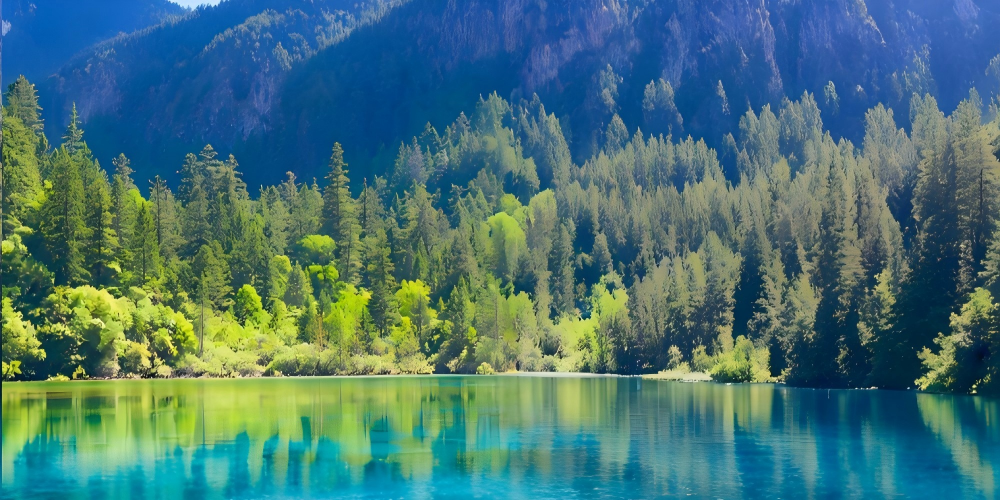
Jiuzhaigou National Park is located in Jiuzhaigou County of Ngawa Prefecture. With its towering snow-capped peaks, dense forests, and vibrantly colored pools and shoals, crystal-clear streams meander through the forests and shallows. Combined with Tibetan wooden houses, prayer flags, and the unique traditional customs of the Tibetan and Qiang ethnic groups, Jiuzhaigou National Park is often referred to as a “beautiful fairyland”. Jiuzhaigou National Park features a Y-shaped layout, consisting of three main valleys: Shuzheng Valley, Rize Valley, and Jiuzhaigou-Zechawa Valley, with a total length of over 50 km.The attraction is equipped with eco-friendly sightseeing vehicles that stop at designated stations. Visitors can wait at each station and conveniently tour various attractions within the site by taking the sightseeing vehicles.
-
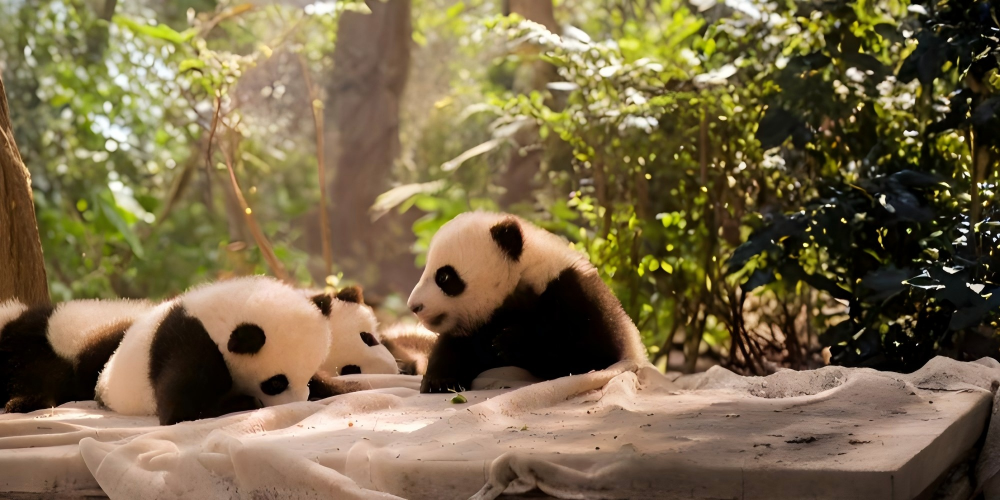
Chengdu Research Base of Giant Panda Breeding
Chengdu Research Base of Giant Panda Breeding is located in the northern suburbs of Chengdu, about 10 kilometers away from downtown Chengdu. The facility is famous for the protection and breeding of endangered wild animals that are unique to China. It simulates the natural habitat of the giant pandas, where there are lakes, lakes, streams, bamboo forests and lawns. The chance to come into close contact with the giant pandas is a highlight here. Visitors can have a close-up observation of the pandas’ living conditions. There is also a “Panda Villa”, which is a preserved area for the pandas to rest.